How to Read Prescription Label Abbreviations and Pharmacy Symbols
Confused by Rx symbols? Learn how to decode common prescription label abbreviations, from Latin terms to safety warnings, to ensure you take your meds correctly.
When you take a pill, you expect it to help—not hurt. But medication safety, the practice of using drugs in a way that minimizes harm while maximizing benefit. Also known as drug safety, it’s not just about following the label. It’s about understanding hidden risks, knowing when your pharmacy might swap your brand for a generic, and recognizing signs your body is reacting badly. Too many people assume all medications are equally safe if they’re FDA-approved. That’s not true. Some drugs, like narrow therapeutic index, medications where small changes in dose can cause serious harm or treatment failure, need extra care. Think warfarin, digoxin, or levothyroxine. Switching between generic brands of these can throw your blood levels off, even if the FDA says they’re "bioequivalent." That’s why doctors often insist you stick to one brand.
Then there are drug interactions, when two or more medications, foods, or supplements change how each other works in your body. Soy milk cutting your thyroid meds? That’s real. SSRIs and migraine pills causing serotonin syndrome? The risk is tiny, but the warning won’t go away. And metronidazole—common for infections—can cause nerve damage if you take too much or too long. These aren’t rare edge cases. They show up in everyday practice. Side effects are the #1 reason people quit their meds, not because they don’t care, but because they weren’t told what to watch for. Your pharmacist can help you spot these before they become problems.
And let’s talk about generic drugs, lower-cost versions of brand-name medications that must meet FDA standards for safety and effectiveness. They save billions. But not all generics are created equal. Some combination pills cost more than buying the same drugs separately. Some are held up because testing them is harder—like inhalers or creams. And when the FDA forces generic labels to match brand labels exactly, critical safety updates can get stuck for years. That’s not oversight. That’s a system glitch.
Medication safety isn’t about fear. It’s about awareness. It’s knowing that your blood thinner might need more monitoring than your cholesterol pill. That your sleep study results could explain why you’re falling. That a simple change in when you eat soy could fix your thyroid levels. These aren’t theoretical concerns—they’re daily realities for millions. Below, you’ll find real, practical guides on what works, what doesn’t, and what to ask your doctor before you swallow another pill.
Confused by Rx symbols? Learn how to decode common prescription label abbreviations, from Latin terms to safety warnings, to ensure you take your meds correctly.
Learn how to create a medication expiration review schedule to ensure safety and reduce waste. This guide covers step-by-step setup, tracking methods, and disposal practices based on FDA and ISMP guidelines. Includes specific review frequencies for common medications and tips for using apps or logs. Prevents health risks and saves money by avoiding expired drugs.
Healthcare teams with pharmacists, doctors, and specialists are cutting side effects and hospital visits by working together. Learn how their collaboration improves medication safety and patient outcomes.
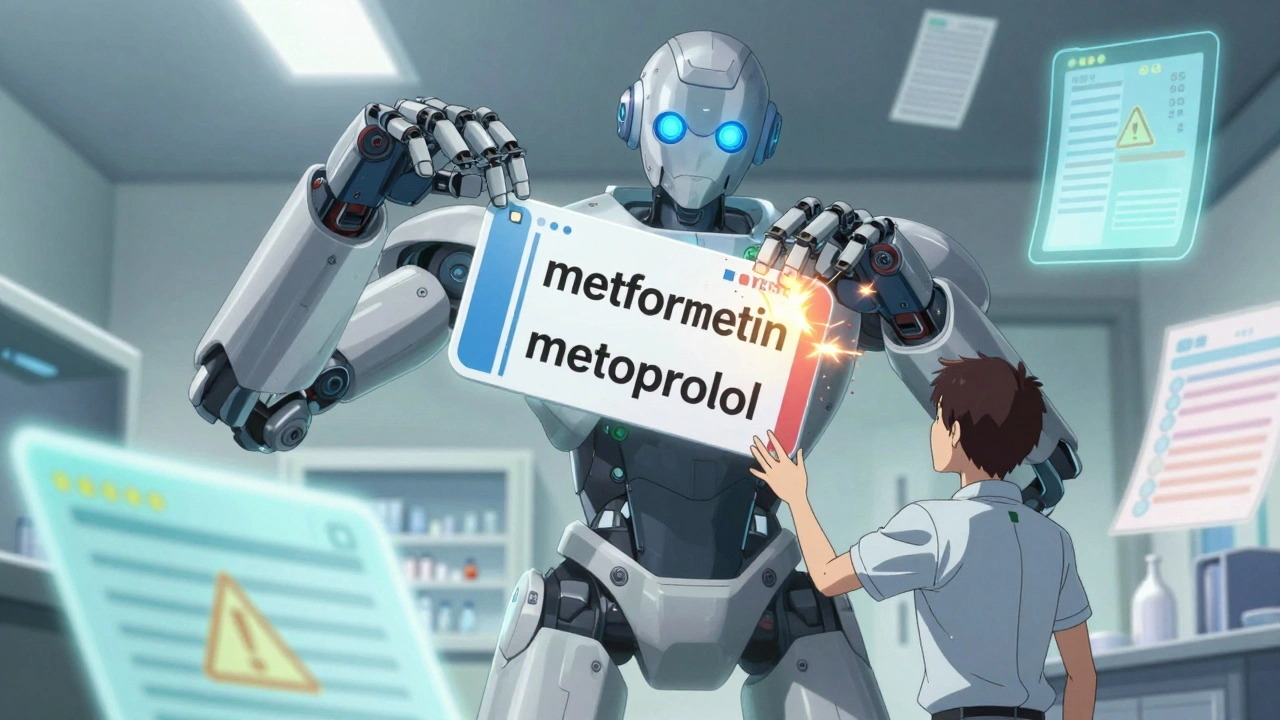
Learn how to spot common medication labeling errors-like wrong drug names or strengths-and how to ask for corrections without blame. Protect patients and prevent harm with simple, proven steps.
Check your medicine cabinet twice a year to remove expired drugs and prevent accidents. Learn what to keep, how to dispose of old meds safely, and which medicines are dangerous past their date.