

Every year, the FDA U.S. Food and Drug Administration estimates that 125,000 deaths in the U.S. could be prevented by proper medication expiration management. Yet many people don’t know how to track expiration dates. This guide shows you exactly how to create a simple, effective medication expiration review schedule a systematic approach to checking and managing medications based on expiration dates to keep your medications safe and effective. The ISMP Institute for Safe Medication Practices updated guidelines in January 2022, emphasizing that expired drugs aren’t just wasted money-they can cause real harm. For example, a Pharmacy Times survey in April 2023 found 68.3% of patients took expired meds at least once, often because "they looked normal." But some medications, like insulin or nitroglycerin, become dangerous after expiration. Let’s break this down step by step.
Why a Medication Expiration Review Schedule Matters
When medications expire, they lose potency or break down into harmful compounds. The AHRQ Agency for Healthcare Research and Quality reports 76.4% of home medication errors involve expired drugs. Epinephrine auto-injectors used past expiration can fail during an allergic reaction, while insulin may not control blood sugar. Even common pills like antibiotics or blood pressure meds can become ineffective. Proper tracking prevents these risks while saving money. The FDA says proper management could save $7.2 billion in wasted medications annually. This isn’t about paranoia-it’s about smart health habits.
Step 1: Gather All Your Medications
Start by collecting every prescription, over-the-counter drug, and supplement in your home. Check medicine cabinets, purses, cars, and drawers. Many people store pills in unlabeled containers, making expiration tracking impossible. Remove everything from its hiding spot. You’ll likely find expired items you forgot about. For example, a CVS Health case study found patients kept unused antibiotics for years. Write down each medication’s name and where you found it. This step takes 15 minutes but reveals the full scope of your inventory.
Step 2: Check Expiration Dates and Storage Conditions
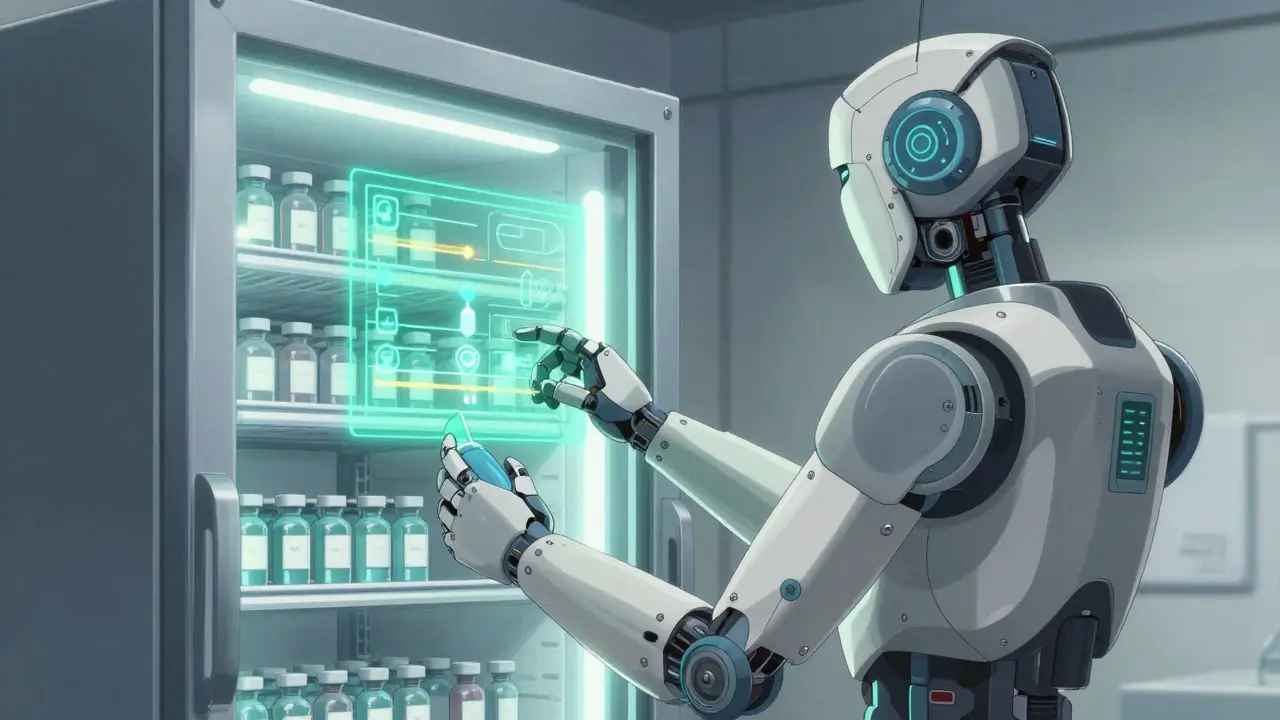
Look at each container’s label. Note the difference between "manufacture date" and "expiration date"-only the latter matters. Store medications away from heat, moisture, and sunlight. The U.S. Food and Drug Administration recommends room temperature (20°-25°C / 68°-77°F) for most drugs. Bathroom cabinets are bad due to steam. Refrigerated items like insulin must stay between 2°-8°C (36°-46°F). Check for physical changes: cloudy insulin, cracked pills, or discolored liquids mean discard immediately. For example, nitroglycerin tablets turn yellow when expired and lose effectiveness in 3-6 months.
Step 3: Create a Tracking System
Use a simple method that fits your life. A Medisafe app free smartphone app for medication management sends alerts 3 days before expiration. The National Council on Aging offers a free printable "Medication Expiration Log" template. For manual tracking, write each medication’s name, National Drug Code unique 11-digit identifier for drugs, expiration date, and storage location. Highlight critical items like epinephrine auto-injectors in red. A 2023 study in the Journal of the American Pharmacists Association found patients using apps with alerts reduced expired medication incidents by 52.8%.
Step 4: Set Review Frequency Based on Medication Type
Not all meds need checking the same. Here’s a quick guide:
| Medication Type | Review Frequency | Storage Conditions | Key Notes |
|---|---|---|---|
| Insulin | Weekly | Refrigerated (2°-8°C) | Check for cloudiness or discoloration |
| Liquid antibiotics | Weekly | Refrigerated | Discard after 14 days of opening |
| Epinephrine auto-injectors | Every 3 months | Room temperature | Replace if expired or discolored |
| Blood pressure pills | Monthly | Room temperature | Store in original container away from light |
| Nitroglycerin | Monthly | Room temperature | Replace every 6 months once opened |
The ASHP American Society of Health-System Pharmacists recommends monthly checks for most room-temperature medications and quarterly for emergency supplies. High-risk items like insulin need weekly attention. For example, u/MedSafetyNurse on Reddit shared a story about catching three patients using insulin pens 6 months past expiration, leading to uncontrolled blood sugar.
Step 5: Proper Disposal Methods
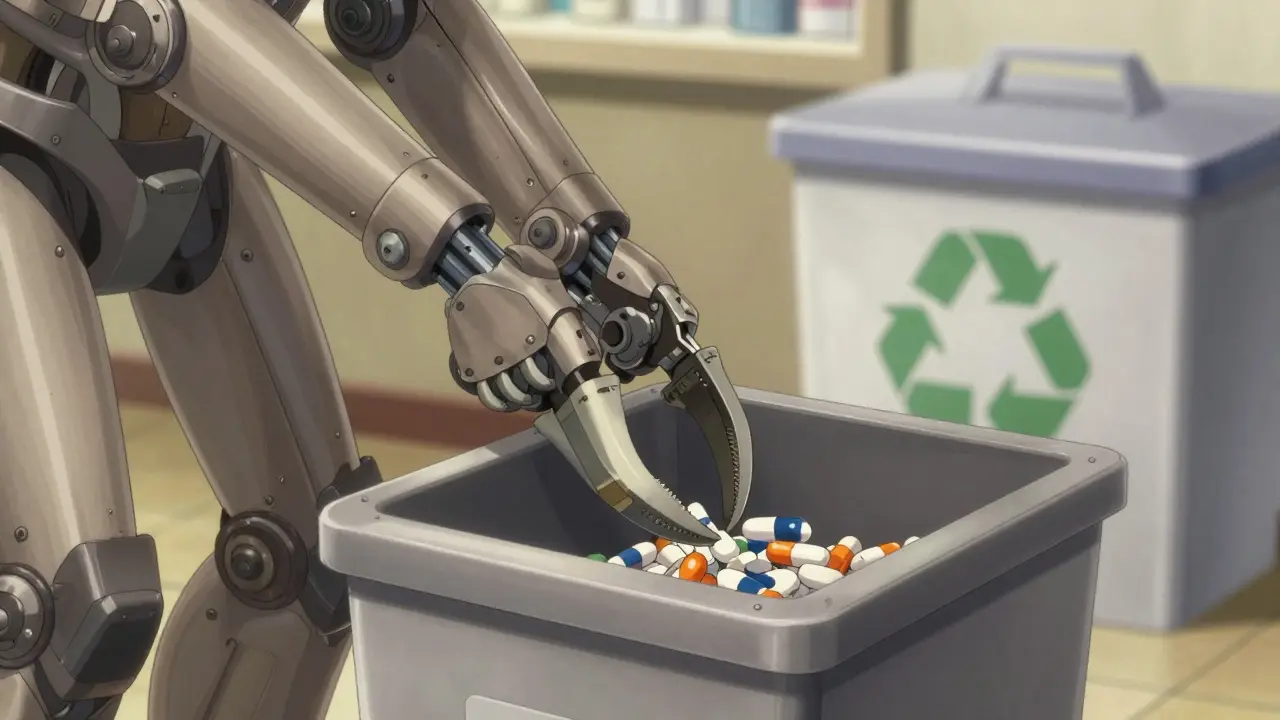
Never flush medications down the toilet or throw them in the trash. The DEA Drug Enforcement Administration hosts National Prescription Drug Take Back Day events twice a year. Many pharmacies like CVS or Walgreens have drop-off bins. For epinephrine auto-injectors, use the needle shield and dispose in a sharps container. The SVMC Medication Safety Program reported a 93.7% reduction in waste after implementing take-back options. If you can’t access a disposal site, mix expired pills with coffee grounds or cat litter in a sealed bag before trashing. This prevents accidental ingestion.
Step 6: Maintain Your System
Set recurring phone reminders for monthly checks. Update your log when you get new prescriptions. If you’re a caregiver, involve your pharmacist-they can spot issues you might miss. A CVS Health case study showed patients using MedSchedule app reduced expired medication incidents by 37.2% in a year. For long-term storage, keep medications in their original containers with clear labels. Avoid leaving pills in cars where temperatures fluctuate. The ISMP recommends a "three-point verification" system: check expiration dates at dispensing, during storage, and before taking. This simple habit prevents most errors.
Common Challenges and How to Fix Them
Many people struggle with small print on expiration labels. If you’re a senior, ask your pharmacist to write dates in large letters. The AARP 2023 survey found 48.7% of seniors have trouble reading small text. Another issue is confusing "manufacture date" with "expiration date." Always look for the word "EXP" on the label. For refrigerated meds, use a fridge thermometer to ensure consistent cold temps. If you run out of space, store medications in a cool, dry closet-not the bathroom. The FDA MedWatch reports 63.2% of home medication errors stem from poor storage conditions.
Frequently Asked Questions
How often should I check my medications?
For most room-temperature medications like blood pressure pills or antidepressants, check monthly. Insulin and liquid antibiotics need weekly checks. Emergency medications like epinephrine auto-injectors should be reviewed every three months. The ASHP guidelines confirm this timeline for home use.
What should I do with expired medications?
Never flush or throw them in regular trash. Use DEA Take Back Day events or pharmacy drop-off bins. For example, CVS has free disposal bins at 9,000+ locations. If you can’t access these, mix expired pills with coffee grounds or cat litter in a sealed bag before trashing. This prevents accidental ingestion. The FDA states expired medications can lose potency or form toxic compounds-like tetracycline antibiotics degrading into harmful substances.
Are there medications that expire quickly?
Yes. Nitroglycerin tablets lose effectiveness in 3-6 months once opened. Insulin pens expire 28 days after first use. Liquid antibiotics typically degrade within 14 days of mixing. The NIH 2020 study confirmed these timelines. Always follow the label instructions-"use by" dates on opened containers override the original expiration date.
Can I use expired medications in an emergency?
Generally no. While some solid pills may retain potency (per a Mayo Clinic study), it’s risky. For life-saving meds like epinephrine, using expired ones could be fatal. The ISMP warns against self-determining extended use without pharmacist consultation. In rare cases like a natural disaster with no alternatives, consult a doctor first. But never rely on expired epinephrine or insulin during emergencies.
How do I store medications properly?
Keep them in a cool, dry place away from sunlight. Bathroom cabinets are too humid-use a closet instead. Most medications store best at room temperature (68°-77°F). Refrigerated items like insulin must stay between 36°-46°F. Never leave pills in cars where temperatures swing wildly. The FDA states that improper storage accelerates degradation. For example, storing aspirin in a hot car can cause it to smell like vinegar, indicating breakdown.


one hamzah
February 5, 2026 AT 22:41So helpful! 🌟 I'll start my own schedule today! 💊✨
Lana Younis
February 6, 2026 AT 04:03Hey y'all! just checked my meds and found some expired ones. Using the app mentioned in the post. Works great! Also, dont store in bathroom lol.
Dina Santorelli
February 7, 2026 AT 01:03I've been ignoring expiration dates for years. Found some expired insulin last week. Why bother? This guide is useless.
Thorben Westerhuys
February 7, 2026 AT 14:29I had a friend who almost died from expired antibiotics!! You must check your meds!!
Katharine Meiler
February 9, 2026 AT 11:08Per ISMP guidelines, monthly checks are essential for room temp meds. Insulin needs weekly. Always check storage conditions. Proper disposal is key. DEA take-back days are lifesavers. Avoid bathroom storage. The FDA says 63.2% errors from poor storage. Must follow these steps.
Phoebe Norman
February 10, 2026 AT 04:30Expired meds dangerous. Insulin fails. Nitroglycerin turns yellow. Must check.
Albert Lua
February 10, 2026 AT 13:49In some cultures, people use traditional methods to store meds. But here, following the guide is crucial. Especially for insulin and epinephrine.
Danielle Vila
February 11, 2026 AT 18:31The DEA take-back days are a scam. They just want us to throw away meds so they can sell new ones.
Laissa Peixoto
February 13, 2026 AT 16:22I've been managing my meds for years. It's not just about the expiration dates; it's about trust in the system. Every time I check my pills, I think about how much effort goes into making them safe. The FDA estimates 125,000 deaths prevented annually with proper management. Yet many people don't know how to track them. I used to throw away expired meds in the trash, but now I know better. The DEA take-back days are a lifesaver. I always check my insulin weekly. Last month, I caught a bottle that was cloudy. Saved me from a bad reaction. It's scary how easy it is to forget. My pharmacist helped me set up a schedule. Now I have reminders on my phone. It takes 15 minutes a month. The savings are huge-$7.2 billion a year. It's not paranoia, it's smart health. I've shared this with my family. Everyone should do this. It's a small habit with big impact. Trust me, your future self will thank you.