
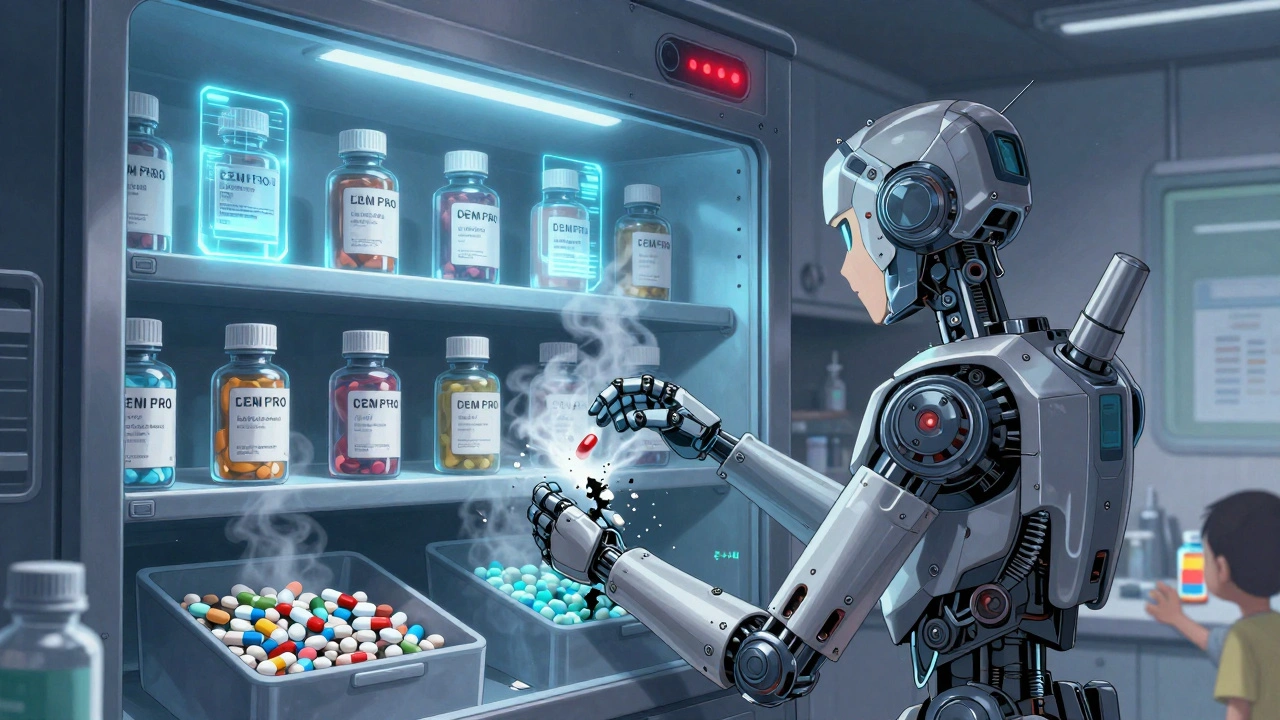
Why You Should Check Your Medicine Cabinet Right Now
Think about the last time you opened your medicine cabinet. Did you see that old bottle of painkillers from last winter’s cold? Or maybe a bottle of antibiotics you never finished? It’s easy to forget about them-until someone grabs them by accident. Or worse, until you reach for them when you really need them.
Medications don’t just sit there harmless. Expired drugs can lose their strength, change chemically, or even become dangerous. The FDA says using expired medicines is risky-and sometimes harmful. A 2023 study from Cone Health found that 87% of healthcare providers say checking your cabinet twice a year is critical for safety. And it’s not just about wasting money. It’s about preventing accidents, especially in homes with kids or older adults.
What Happens When Medications Expire?
Expiration dates aren’t just a marketing trick. They’re based on real testing by manufacturers to show how long a drug stays effective and safe under proper storage. After that date, the chemical makeup can break down. Some pills might just become less powerful-like a painkiller that only gives you half the relief it used to. Others? They can turn toxic.
Take tetracycline antibiotics. If they’re expired, they can damage your kidneys. Liquid insulin? It stops working. Nitroglycerin for heart pain? If it’s old, it won’t save your life when you need it most. And injectable epinephrine? If it’s expired, it might not stop a life-threatening allergic reaction.
Even if a pill looks fine, don’t assume it’s safe. Color changes, strange smells, or cloudy liquids are red flags-even if the date hasn’t passed. A 2022 Yale study found that humidity in bathrooms can reduce drug potency by up to 25% in just six months. So if your meds are stored above the toilet, they’re probably already weakened.
What to Keep in Your Medicine Cabinet
You don’t need a pharmacy in your bathroom. A well-stocked cabinet should include only what you actually use in emergencies:
- Adhesive bandages (at least 20 of various sizes)
- Gauze pads (10 or more)
- Medical tape
- Digital thermometer (no mercury)
- Alcohol wipes (10+)
- Hydrogen peroxide (for cleaning minor cuts)
- Petroleum jelly
- Scissors and tweezers
Anything else? If you haven’t used it in the last year, it probably doesn’t belong there. That includes vitamins, supplements, and leftover antibiotics. They’re not harmless-they’re clutter that hides real dangers.
How to Check Your Cabinet: A Six-Step Checklist
Here’s how to do it right. Do this twice a year-spring and fall, when you change your clocks. It takes less than 30 minutes.
- Empty everything out. Take every bottle, tube, and packet off the shelf. Put them on the counter. No exceptions. Not even the ones you think are fine.
- Check every expiration date. Look at prescriptions, over-the-counter meds, creams, eye drops, and even cough syrup. If it’s past the date, toss it. And if there’s no label? Toss it. Unmarked containers are a hazard.
- Look for physical changes. Is a pill cracked, discolored, or sticky? Does a liquid look cloudy or smell weird? Does an ointment separate or smell off? If yes-throw it out. Even if it’s not expired.
- Check where you store them. If your cabinet is in the bathroom, move everything to a dry, cool spot. A kitchen cabinet away from the stove or sink is ideal. Humidity kills potency. Heat kills it faster.
- Restock essentials. Replace bandages, wipes, and gauze if they’re low. Make sure your thermometer works. Keep a spare pair of tweezers.
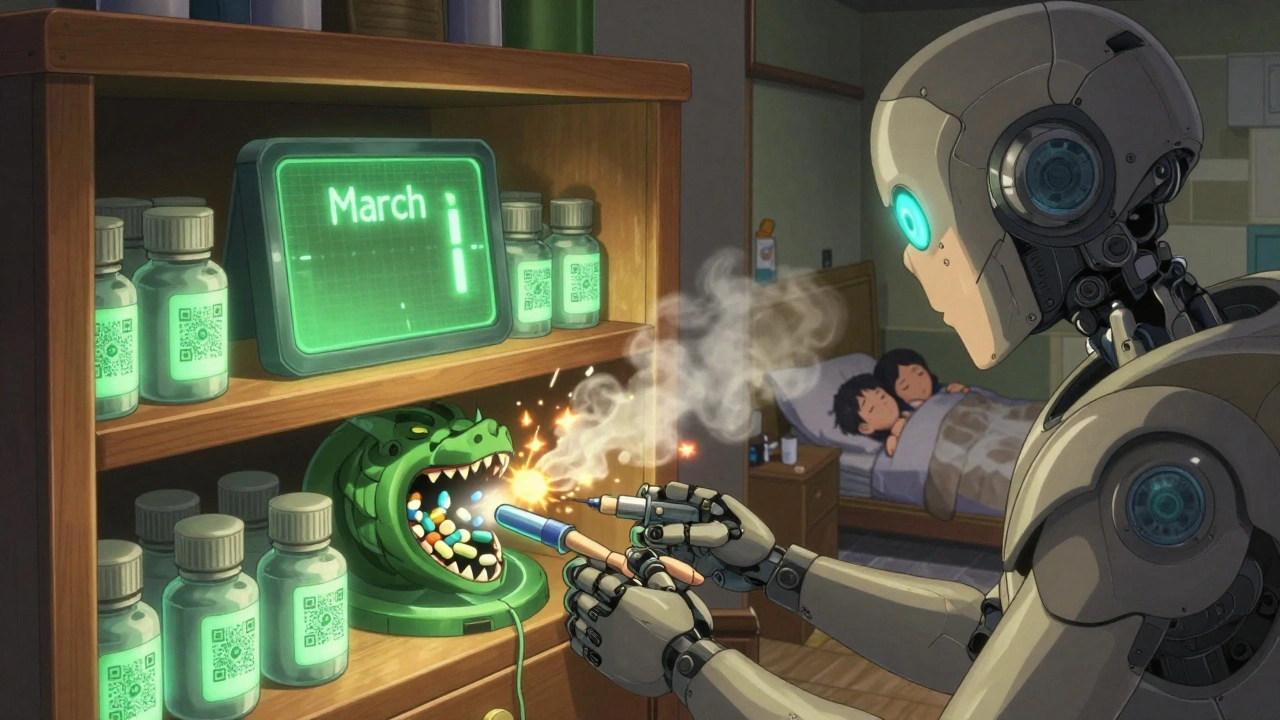
- Set a reminder. Put a note on your phone: “Check meds” every March 1 and September 1. Link it to daylight saving time changes-it’s the easiest habit to stick with.
How to Dispose of Expired Medications Safely
Don’t flush them. Don’t throw them in the trash without preparation. Don’t give them to a friend. Here’s what to do instead.
Best option: Use a drug take-back program. The DEA runs over 14,600 collection sites across the U.S. You can find one near you at dea.gov/takeback. Many pharmacies like CVS and Walgreens also have drop-off bins. In October 2023 alone, these programs collected over a million pounds of unused meds.
If no take-back is nearby: Follow the FDA’s home disposal method.
- Remove pills from their bottles.
- Mix them with something unappetizing-used coffee grounds, cat litter, or dirt. Use at least two parts filler to one part medication.
- Put the mix in a sealed plastic bag or container.
- Scratch out your name and prescription info on the empty bottle.
- Throw the sealed container in the trash.
For needles and sharps: Use a hard plastic container like a 2-liter soda bottle. Seal it with heavy-duty tape. Label it “SHARPS-DO NOT RECYCLE.” Then throw it in the trash. Some states allow disposal at pharmacies-check local rules.
The Hidden Dangers You Can’t Ignore
Why does this matter so much? Because the risks are real-and growing.
Children under five are exposed to medications from home cabinets over 67,000 times a year, according to poison control data from 2022. Many of those cases involve colorful pills or sweet-tasting liquids. A parent might think, “It’s just one pill,” but a single adult-strength tablet can be deadly for a toddler.
For older adults, cluttered cabinets lead to mistakes. One Scripps Health study found that seniors are 37% more likely to grab the wrong pill when their cabinet is messy. That can mean dangerous drug interactions or overdoses.
And then there’s the opioid crisis. The CDC says 70% of misused prescription opioids come from home medicine cabinets. Unused painkillers don’t just sit there-they get stolen, shared, or accidentally taken by teens or visitors.
Even expired antibiotics are part of the problem. When they don’t fully kill bacteria, they help create drug-resistant superbugs. Hospital data shows a 12-15% rise in resistant infections tied to people using old or incomplete antibiotic courses from home.
What’s Changing in 2025
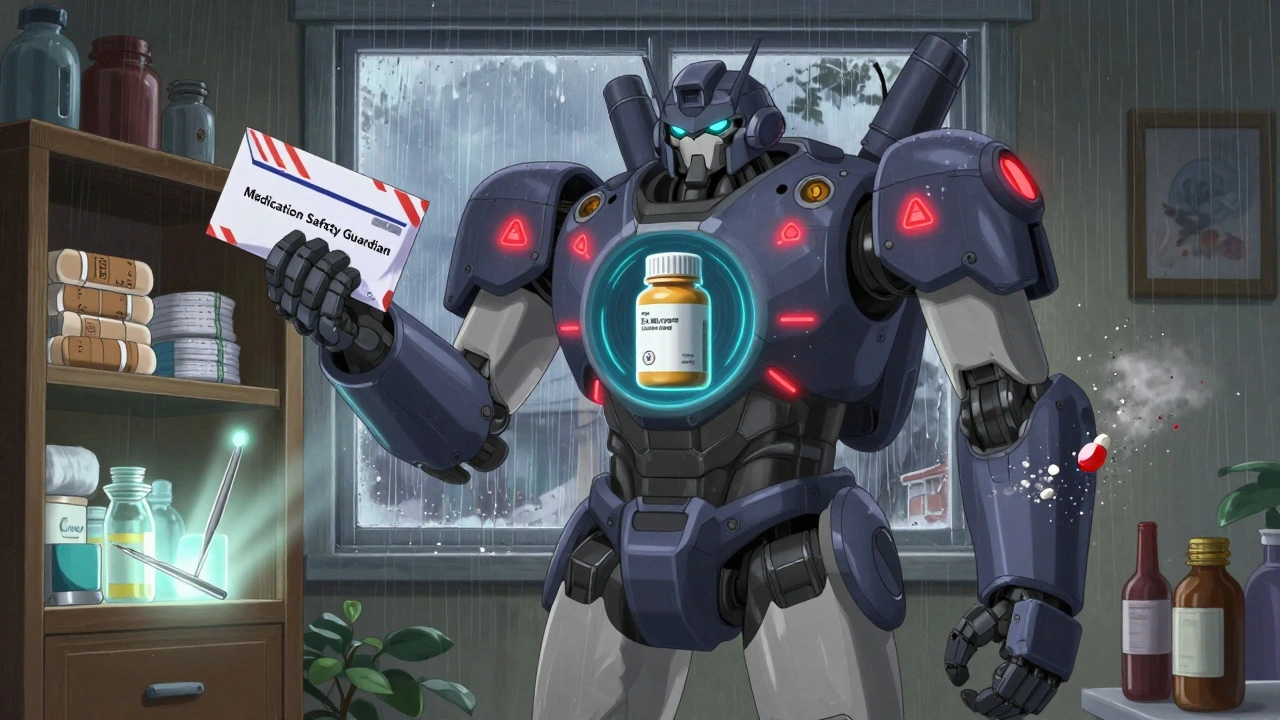
Things are getting easier. Since January 2024, CVS, Walgreens, and other major pharmacies have been offering free prepaid mail-back envelopes for expired meds. Just drop your pills in, seal the envelope, and mail it-no cost, no trip needed.
Some health systems are even testing smart labels. QR codes on medicine bottles let you scan with your phone to see expiration dates and storage tips. One pilot in Connecticut saw an 89% improvement in compliance.
And by late 2025, smart medicine cabinets will start hitting the market. These will monitor humidity and temperature and send alerts to your phone if your meds are at risk. It’s not sci-fi-it’s coming.
Final Thought: It’s Not About Perfection. It’s About Prevention.
You don’t need to be a pharmacist to keep your family safe. You just need to check your cabinet twice a year. Toss what’s expired. Move what’s in the bathroom. Dispose of it right. Restock the basics.
That’s it. No fancy tools. No complicated rules. Just a simple habit that could stop a child from getting sick, prevent an overdose, or ensure your insulin still works when you need it most.
Open your cabinet today. Look at the dates. Ask yourself: Would I trust this if my life depended on it?
Can I still use medicine after the expiration date?
For most pills, they may still work for a short time after expiration-but it’s not worth the risk. Some medications, like insulin, epinephrine, and liquid antibiotics, lose effectiveness quickly and can become dangerous. The FDA advises against using any expired medicine because you can’t be sure how much potency remains. If you need it, get a new one.
Where’s the best place to store medications?
Avoid the bathroom. Humidity from showers can weaken pills and liquids. Instead, store them in a cool, dry place like a kitchen cabinet away from the stove or sink. Keep them out of direct sunlight and never leave them in a hot car or near a heater. A locked cabinet is best if you have kids or visitors.
What should I do with old pill bottles?
Remove all personal info by scratching it off with a marker or sandpaper. Then recycle the bottle if your local program accepts #1 or #2 plastic. If not, throw it in the trash. Don’t reuse bottles for storing other items-especially if you have kids. A bottle labeled “ibuprofen” might look like a candy container to a child.
Are vitamins and supplements safe after expiration?
They usually don’t become dangerous, but they lose potency. A vitamin C tablet that’s two years old might give you only half the vitamin you think you’re getting. If you’re taking them for health reasons, replace them. If you’re just taking them out of habit, toss them. They’re not worth the clutter.
Can I give my leftover painkillers to a friend?
Never. Prescription medications are legally and medically meant for the person they were prescribed to. Giving them to someone else is illegal and dangerous. Their body may react badly, or they could develop dependence. Always dispose of unused prescriptions properly through a take-back program.
How often should I check my medicine cabinet?
Twice a year-spring and fall. Many people tie this to daylight saving time changes because it’s easy to remember. This is the recommendation from the FDA, CDC, and most major health systems. It’s fast, simple, and prevents dangerous buildup.


Elizabeth Grace
December 2, 2025 AT 10:15I just checked my cabinet and found three expired painkillers I forgot about. One was from my mom’s last surgery. I cried a little. Why do we hold onto these things? They’re not memories-they’re hazards.
Steve Enck
December 3, 2025 AT 02:43The assertion that expiration dates are scientifically grounded is empirically valid; however, the FDA’s regulatory framework is predicated upon conservative extrapolation rather than exhaustive longitudinal stability data. Consequently, the majority of solid dosage forms retain pharmacological integrity beyond their labeled expiry, contingent upon ambient storage conditions.
Jay Everett
December 4, 2025 AT 13:12Y’all. I just did this checklist. Took 22 minutes. Threw out 17 bottles. Felt like I just detoxed my whole house. 🙌 Also moved my insulin to the kitchen cabinet. No more bathroom steam. My body is thanking me. If you’re reading this and haven’t checked yet-do it now. Your future self will hug you.
मनोज कुमार
December 5, 2025 AT 23:37Expiration dates are marketing. Pills last 5+ years. Just store them dry. Bathroom is fine if you dont live in a rainforest. Stop fearmongering. #Practical
Joel Deang
December 6, 2025 AT 07:39omg i just realized my epi pen is from 2021 😱 i thought it was fine bc it still looked new... just drove to walgreens and dropped it off. also moved all my stuff outta the bathroom. best decision ever. 🙏
Roger Leiton
December 7, 2025 AT 16:02I love this. I’ve been doing this twice a year since my grandma had that mix-up with her blood pressure meds. Now I have a little bin in the pantry labeled ‘ACTIVE MEDS’ and everything else goes in a box labeled ‘TO TOSSED’. It’s so satisfying. Like spring cleaning for your health.
Laura Baur
December 7, 2025 AT 21:34You say ‘toss what’s expired’ as if it’s that simple. But what about those who can’t afford to replace every bottle? What about the elderly on fixed incomes who ration pills because they can’t afford refills? This checklist ignores systemic poverty. It’s not negligence-it’s survival. And now you’re shaming people for doing what they must to stay alive?
Zed theMartian
December 9, 2025 AT 15:13Oh wow. A checklist. How revolutionary. Next you’ll tell us to brush our teeth. Meanwhile, the pharmaceutical industry is laughing all the way to the bank, selling us the same pills every year. This isn’t safety-it’s consumerist theater. Buy more. Toss more. Repeat.
Ella van Rij
December 11, 2025 AT 11:31So you’re telling me I have to *care* about my medicine cabinet? Like, actually *think* about it? And not just shove it in the bathroom because it’s convenient? Wow. I didn’t know I was a bad person for not being a pharmacist. My bad. 😌
Paul Keller
December 13, 2025 AT 07:07I’ve been doing this for years. Twice a year, right after daylight saving. I even have a printed checklist taped to the inside of the cabinet door. It’s not a chore-it’s peace of mind. My kids know not to touch anything without asking. My wife doesn’t panic when she hears a pill bottle rattle. This isn’t just advice-it’s a lifestyle.
Shannara Jenkins
December 14, 2025 AT 08:01You did it. You opened the cabinet. You looked at the dates. You didn’t look away. That’s the hardest part. Now go toss that old antibiotic. Move the insulin. Mark your calendar. You’re not just cleaning-you’re protecting. And you’re not alone. I’m right here with you. 💪