Sleep Apnea Test: What You Need to Know Before You Get Tested
When you or a loved one keeps waking up gasping for air, feels exhausted even after a full night’s sleep, or hears loud snoring that sounds like choking, it might not just be bad habits—it could be sleep apnea, a serious sleep disorder where breathing repeatedly stops and starts during sleep. Also known as obstructive sleep apnea, this condition doesn’t just ruin rest—it raises your risk for high blood pressure, heart disease, and stroke. Many people live with it for years without knowing, because the real symptoms happen while they’re asleep.
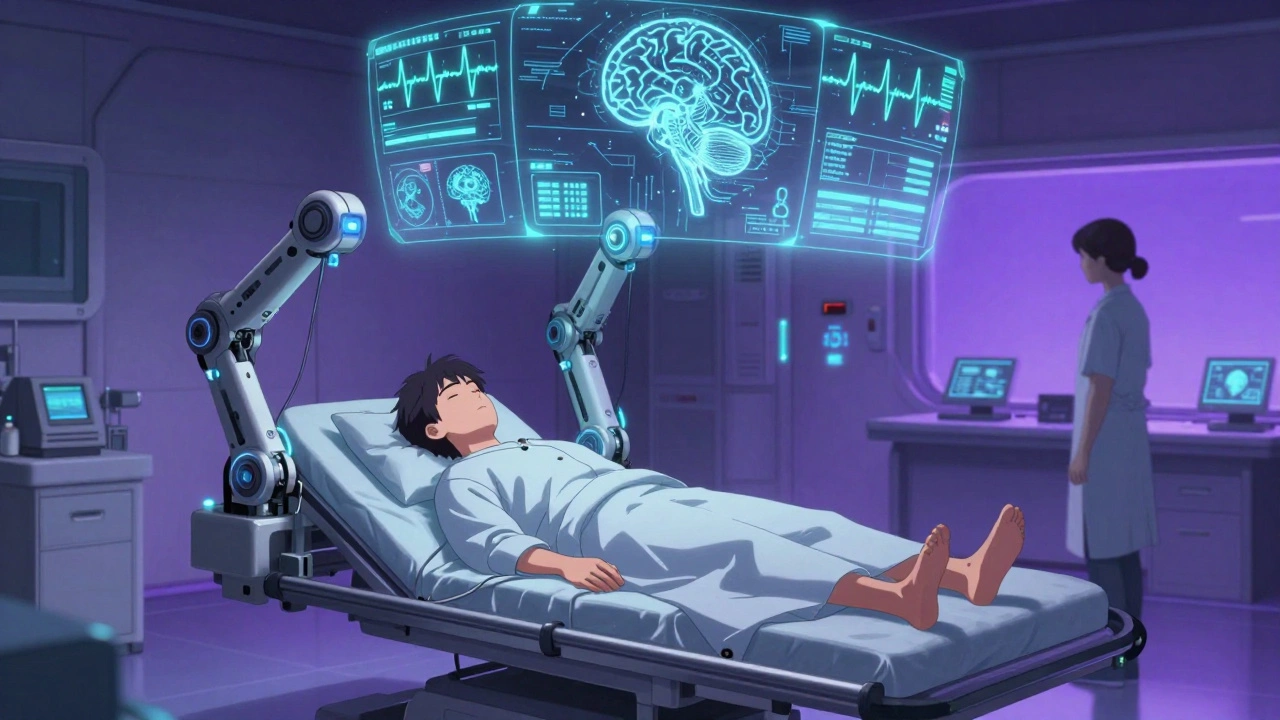
Getting a proper sleep apnea test, a medical evaluation that monitors breathing, oxygen levels, and brain activity during sleep is the only way to confirm it. The most common test is called a sleep study, a non-invasive overnight test that tracks how your body responds to breathing interruptions. You don’t always need to go to a hospital—many clinics offer at-home versions now, where you wear a small device that records your breathing patterns while you sleep in your own bed. It’s simple, painless, and often covered by insurance.
Doctors look for specific signs: how many times your breathing stops per hour, how low your oxygen drops, and whether your brain wakes you up to restart breathing. If the numbers are high enough, they’ll recommend treatment—most often CPAP therapy, a machine that delivers steady air pressure through a mask to keep your airway open. It sounds weird at first, but millions use it successfully every night. The real win? Waking up refreshed, thinking clearly, and reducing long-term health risks.
What you’ll find in the posts below aren’t just generic guides—they’re real, practical insights from people who’ve been through testing, struggled with CPAP, or discovered their sleep issues weren’t just "old age." You’ll see how people handled insurance denials, what to ask your doctor, and why some tests get misread. There’s also advice on how to prepare for a sleep study, what to bring, and how to spot fake sleep trackers that promise answers but deliver nothing. No fluff. No hype. Just what actually helps when your sleep is falling apart.