Generic Drugs: What They Are, Why They Matter, and What You Need to Know
When you hear generic drugs, lower-cost versions of brand-name medications that contain the same active ingredients and meet the same safety standards. Also known as non-brand drugs, they make up over 90% of prescriptions filled in the U.S. and save patients billions each year. But here’s the catch: not all generics are the same. For most drugs, switching from brand to generic is seamless. For others—like NTI drugs, medications with a narrow therapeutic index where tiny changes in dosage can cause serious harm—even small differences in how the body absorbs the drug can matter. Think warfarin, levothyroxine, or digoxin. These aren’t just any pills. A 10% shift in blood levels might mean a clot, a seizure, or worse. That’s why the FDA applies stricter bioequivalence rules for these drugs, and why some doctors won’t let you switch without close monitoring.
The savings are real. Medicaid patients pay an average of $6.16 for a generic instead of $56.12 for the brand name. That’s a 90% drop. But here’s where it gets messy: insurance companies sometimes push combo pills—like a single tablet with two generics mixed in—because they’re easier to track. But those combo pills often cost more than buying the two separate generics. And if your insurer denies coverage, you might need to appeal. It’s not just about price. It’s about who makes the drug. The FDA blocks imports from factories that don’t meet standards through Import Alerts, systematic warnings that stop unsafe drugs from entering the U.S. supply chain. These alerts target everything from fake antibiotics to contaminated APIs. If your medication suddenly disappears from shelves, it’s not a shortage—it’s the FDA stepping in.
What you’ll find below isn’t just a list of articles. It’s a practical guide to navigating the real world of generics. You’ll learn why switching your thyroid med might need a blood test, how to fight your insurer when they deny coverage, and why some generics work fine for acne but not for heart rhythm. These aren’t theoretical debates. They’re decisions real people make every day—sometimes with life-changing results. Whether you’re saving money, managing a chronic condition, or just trying to understand why your pharmacist handed you a different-looking pill, this collection gives you the facts you need to ask the right questions.

22
Feb
Authorized generics are identical to brand-name drugs but sold without the brand label. Patients often prefer them because they feel and work the same - and studies show fewer people switch back. Here’s what the data says about real patient choices.

15
Feb
Paragraph IV certifications let generic drugmakers challenge brand patents before launch, saving billions in drug costs. This legal tool under the Hatch-Waxman Act drives competition, delays, and settlements in the U.S. generic market.

15
Dec
The FDA ensures generic drugs work the same as brand-name versions through strict bioequivalence testing, identical active ingredients, and same-quality manufacturing. Generics save billions annually and are used in 90% of U.S. prescriptions.
11
Dec
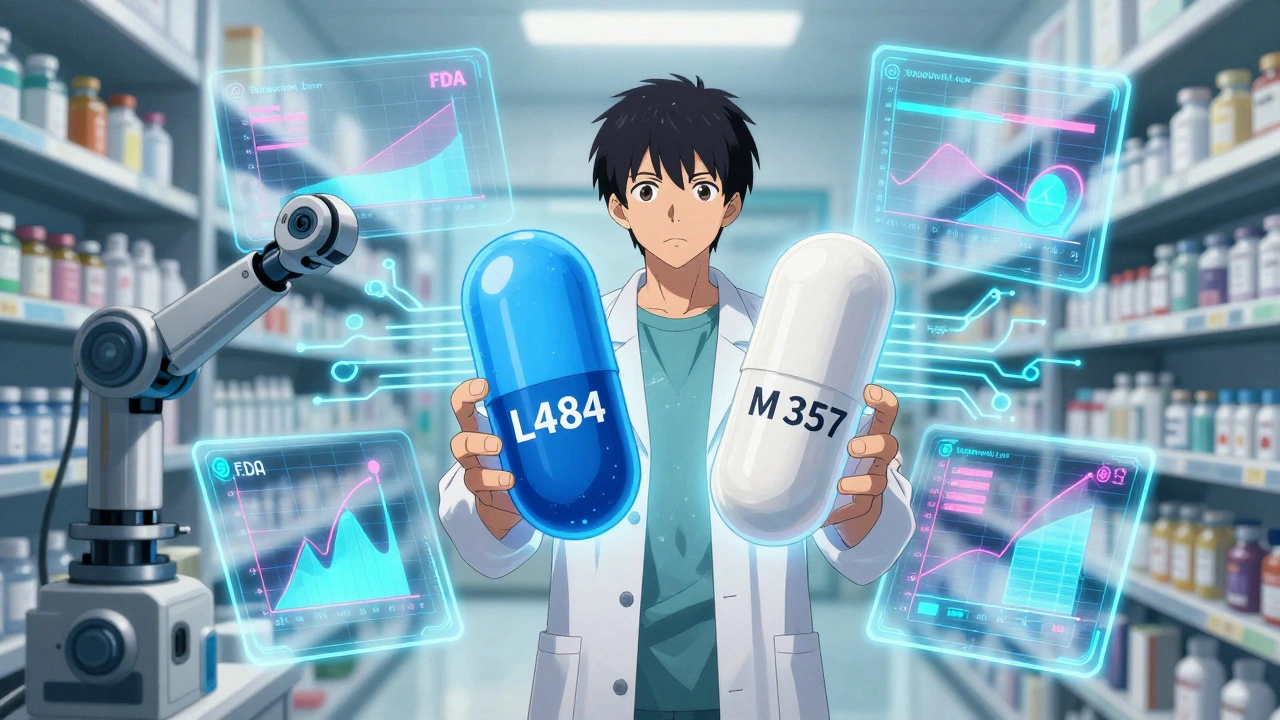
Learn how to identify and compare generic drug manufacturers and pill appearances. Understand why generics look different, how to verify they're safe, and when to stick with one manufacturer for best results.

24
Nov
Bioequivalence testing for combination products like FDCs, topical creams, and inhalers faces unique scientific and regulatory hurdles. Learn why these generics take longer, cost more, and often fail approval - and what’s being done to fix it.