Polysomnography: What It Is and How It Helps Diagnose Sleep Disorders
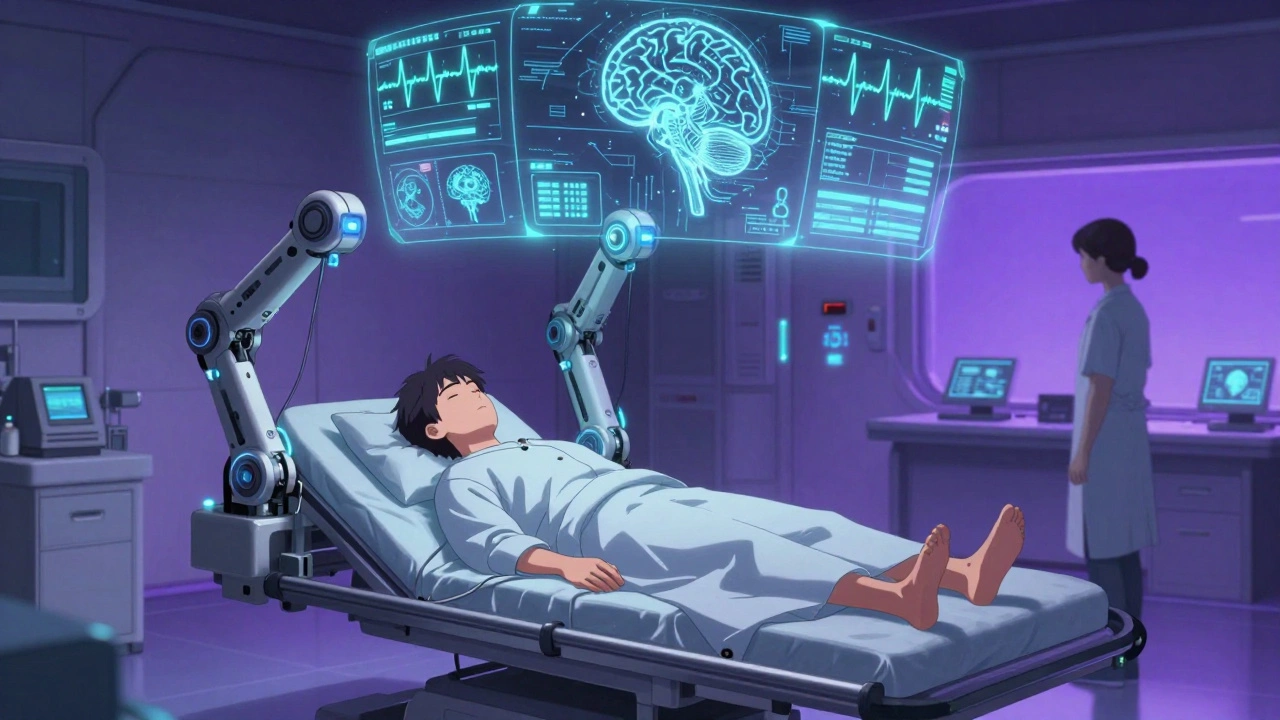
When you can’t sleep—or you sleep too much and still feel tired—it might not just be stress. It could be a hidden sleep disorder, and the best way to find out is through a polysomnography, a comprehensive overnight sleep study that records brain activity, eye movements, heart rate, breathing, and muscle activity while you sleep. Also known as a sleep study, it’s the gold standard for diagnosing conditions like sleep apnea, narcolepsy, and restless legs syndrome. Unlike a quick chat with your doctor, polysomnography gives real data—no guesses, no assumptions.
What happens during a polysomnography? You spend the night in a sleep lab, hooked up to sensors that track everything from how often you stop breathing to whether your legs kick out during deep sleep. These aren’t just fancy wires—they’re the tools that catch problems your brain hides while you’re asleep. For example, if you snore loudly and wake up gasping, a polysomnography can confirm whether you have obstructive sleep apnea, a condition that increases your risk of heart attack and stroke. Or if you feel exhausted despite sleeping 8 hours, it might reveal you’re not getting enough deep or REM sleep. The test doesn’t just label the problem—it shows how bad it is and how it affects your body over time.
Polysomnography isn’t just for adults. Kids with ADHD-like symptoms, older adults with daytime confusion, and even athletes with unexplained fatigue can benefit from it. The results guide treatment: a CPAP machine for apnea, medication for narcolepsy, or lifestyle changes for insomnia. It’s not glamorous, but it’s one of the few tests that actually shows what’s going on while you’re unconscious. And because sleep disorders often go undiagnosed for years, this test can be life-changing.
Below, you’ll find real-world stories and expert insights on how polysomnography connects to other health issues—like how sleep apnea worsens heart disease, how medications interfere with sleep cycles, and why some people need repeat tests. These aren’t theory pieces. They’re based on what patients and doctors actually experience when sleep goes wrong.