Medication Labeling Errors: What You Need to Know to Stay Safe
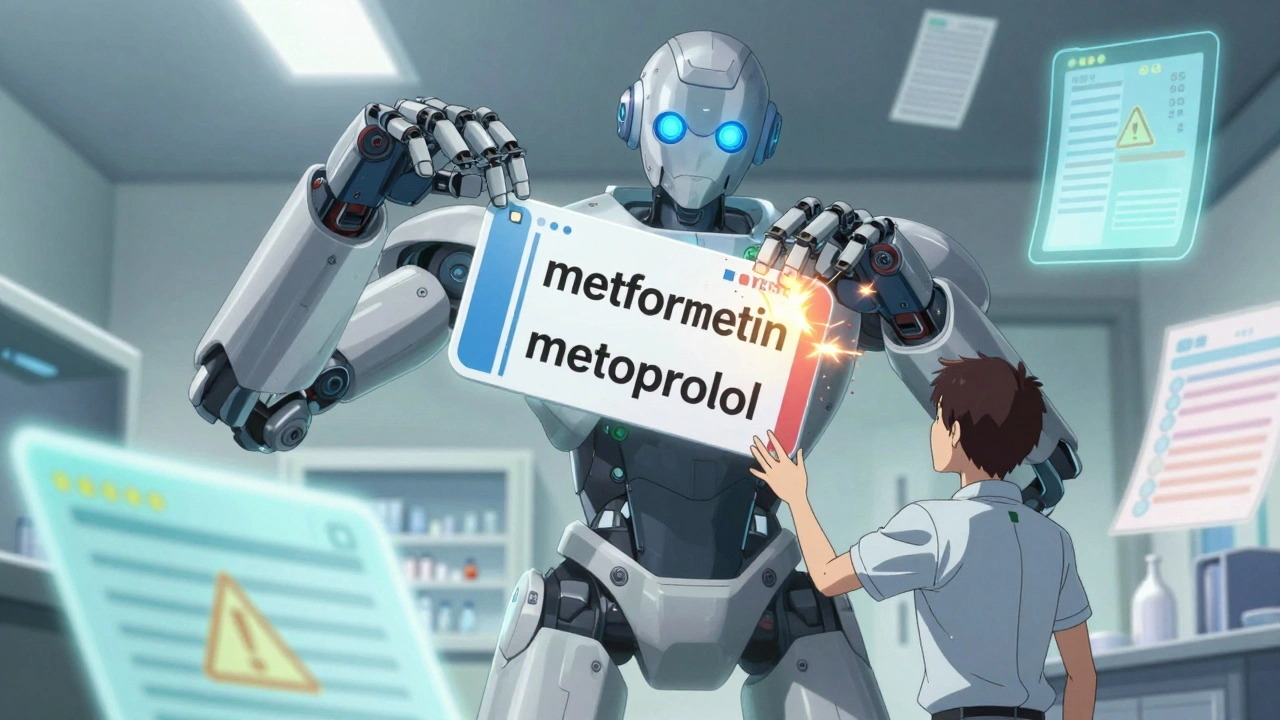
When you pick up a prescription, you trust that the label tells you the truth. But medication labeling errors, mistakes on drug packaging that mislead patients about dosage, warnings, or ingredients happen more often than you think. These aren’t just typos—they’re safety failures that send tens of thousands to the ER every year. A child gets the wrong dose because the label says "for ages 6-12" but doesn’t list weight-based instructions. An older adult takes a sedative that clashes with their blood thinner because the warning was buried in fine print. Or worse—someone switches to a generic version of a narrow therapeutic index drug, a medication where even tiny changes in blood levels can cause toxicity or treatment failure like warfarin or digoxin, and the label doesn’t warn them that switching brands might be dangerous.
The FDA generic drug labeling, rules requiring generic drugs to match brand-name labels exactly, except for manufacturer info sound logical—until you realize it’s a trap. If the brand-name drug’s label has an outdated warning, the generic keeps it. If a new risk is discovered, it can take years for the label to update. Meanwhile, patients are still taking the drug, unaware. And when it comes to pediatric dosing by weight, the only safe way to give medicine to children, not just by age, many labels still only list age ranges. That’s why so many parents accidentally overdose kids with acetaminophen or ibuprofen. Even simple things like expiration dates get ignored. One in five people still keep old pills in their medicine cabinet, thinking they’re fine. But some drugs lose potency. Others turn toxic.
You don’t need to be a pharmacist to protect yourself. You just need to know what to look for. Check the label for weight-based dosing if you’re giving medicine to a child. Compare the generic you get with the brand name—especially if it’s for a heart condition, seizure disorder, or thyroid issue. Look for new warnings you’ve never seen before. And if something feels off—like a pill that looks different or a label that contradicts what your doctor said—ask. The system isn’t perfect, but you can be the last line of defense. Below, you’ll find real guides on how to read labels, spot dangerous errors, switch safely between generics, and avoid the most common mistakes that cost people their health.
9
Dec
Learn how to spot common medication labeling errors-like wrong drug names or strengths-and how to ask for corrections without blame. Protect patients and prevent harm with simple, proven steps.