Label Verification: What FDA Rules Really Mean for Your Medications
When you pick up a prescription, the label isn’t just a piece of paper—it’s a legal document backed by label verification, the FDA’s process of confirming that drug labels match approved standards for safety, dosage, and warnings. Also known as drug labeling compliance, it’s the system that stops pharmacies from giving you the wrong pill, the wrong dose, or a drug with outdated warnings. This isn’t bureaucracy. It’s what keeps you from accidentally taking a double dose of acetaminophen because the label didn’t warn you about liver damage.
Label verification isn’t just about printing the right words. It’s tied directly to FDA generic drug labeling, the strict rule that generic drugs must have the same label as their brand-name counterpart, down to the exact wording of side effects and warnings. This sounds fair—until you realize the brand-name label might be years out of date, and the generic can’t update it until the original manufacturer does. That’s why you might see warnings about rare side effects that haven’t been added to generics yet, even when doctors know they’re real. It’s not negligence. It’s a broken system built on outdated rules. Meanwhile, generic drug compliance, the ongoing process manufacturers follow to meet FDA standards for labeling, packaging, and information. Also known as ANDA labeling requirements, it’s what keeps unsafe or misleading labels off shelves—but only if the FDA catches the mistake first. That’s why import alerts and foreign facility inspections matter. If a label is printed in a factory overseas with unclear English or missing critical info, the FDA can block the whole shipment. You don’t see that process, but you benefit from it every time you open a bottle.
Label verification affects everyone. If you take levothyroxine, it’s why your pharmacist won’t switch brands without checking your blood levels. If you’re on digoxin or warfarin, it’s why your doctor insists you stick with the same generic. And if you’re giving medicine to a child, it’s why the label lists dosing by weight—not just age. The FDA doesn’t just verify labels. It verifies safety. And when that system fails, people end up in the ER because a label didn’t say what it should.
Below, you’ll find real stories and facts about how labeling rules shape your health—from the hidden delays in updating warnings to the quiet battles between manufacturers and regulators. These aren’t abstract policies. They’re the reason your medicine works—or doesn’t.
9
Dec
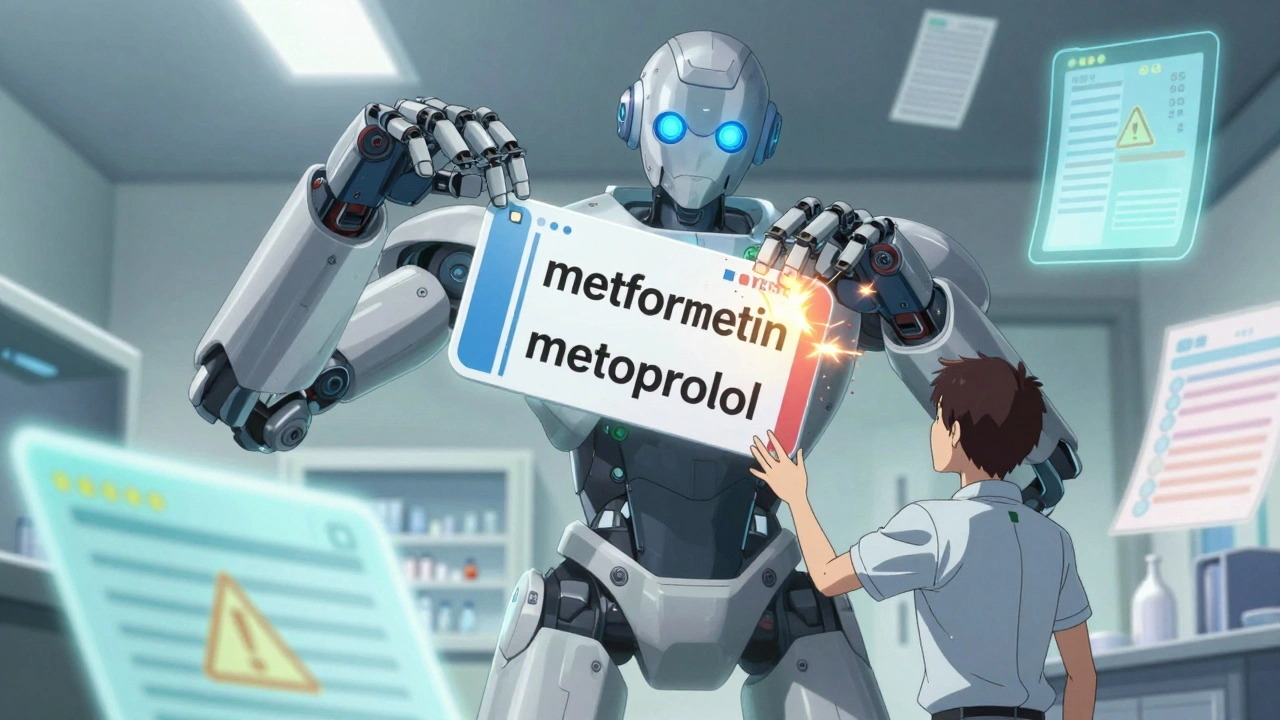
Learn how to spot common medication labeling errors-like wrong drug names or strengths-and how to ask for corrections without blame. Protect patients and prevent harm with simple, proven steps.