Expired Medications: What Happens When Your Pills Go Bad
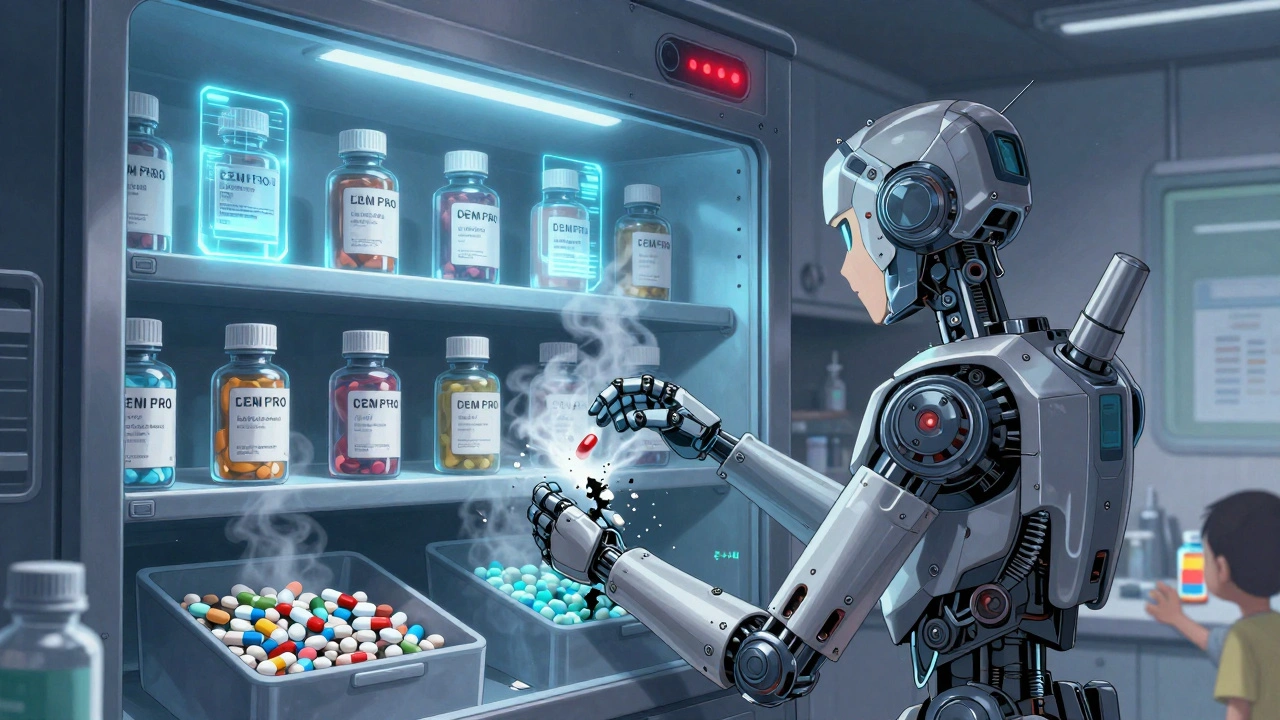
When you find an old bottle of pills in your medicine cabinet, the first question isn’t just expired medications—it’s whether they’re still safe to take. The FDA says expiration dates are the last day the manufacturer guarantees full potency and safety, but that doesn’t mean your pills turn toxic the next day. Many drugs, especially if stored properly in a cool, dry place, remain effective for years beyond their labeled date. But some, like insulin, nitroglycerin, or liquid antibiotics, can break down fast and become risky. This isn’t just about wasting money—it’s about knowing when a drug stops working, and when it might hurt you.
Drug potency, how strong a medication remains over time varies wildly by type. Antibiotics like amoxicillin may lose effectiveness slowly, but if you’re treating an infection and the drug isn’t working, you’re not just wasting time—you’re risking antibiotic resistance. Storage conditions, how heat, moisture, and light affect medicine stability matter more than you think. A bathroom cabinet is one of the worst places to keep pills because steam and temperature swings speed up degradation. A bedroom drawer or kitchen pantry is better. FDA expiration testing, how the government studies how long drugs last beyond their printed date has shown that over 90% of drugs tested were still safe and effective years after expiration. But those are lab results under ideal conditions. Your medicine cabinet? Not so much.
Some medications don’t just weaken—they change chemically. Tetracycline antibiotics, for example, can degrade into compounds that damage your kidneys. Epinephrine auto-injectors lose potency over time, which could be deadly in an allergic emergency. And don’t assume a pill looks fine means it’s safe. Discoloration, crumbling, or strange smells are red flags. Even if it looks okay, if it’s been sitting for five years or more, it’s not worth the gamble.
What you’ll find below are real, practical guides on how expired medications interact with your health, how pharmacies handle old stock, why some drugs are more fragile than others, and what to do when you find an old prescription. From how levothyroxine loses absorption over time to why generic drugs can’t always be swapped without risk, these posts give you the facts—not guesses. You’ll learn how to spot dangerous degradation, when to call your pharmacist, and how to safely dispose of what you don’t need. No fluff. Just what works, what doesn’t, and what you should never risk taking.