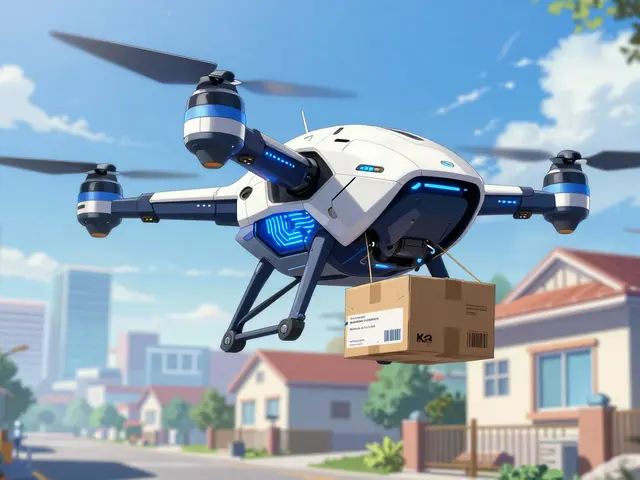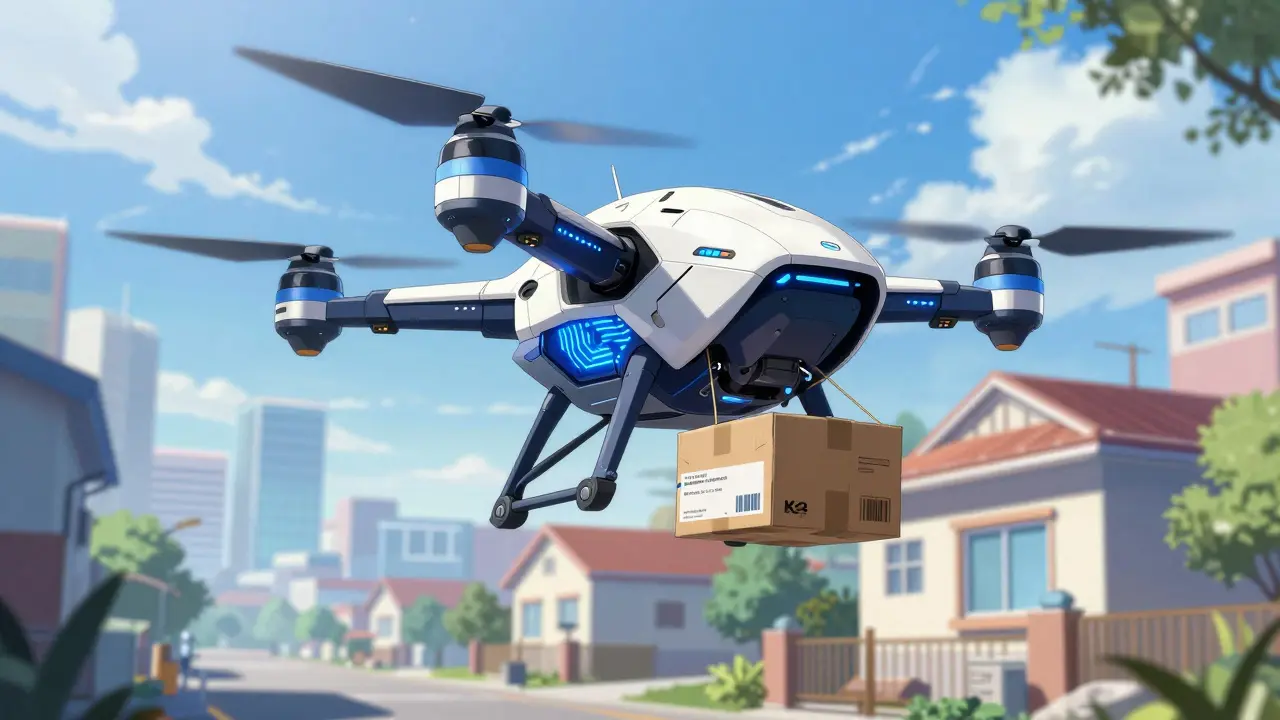
Getting your pills delivered to your door sounds like a dream, especially if you're tired of waiting in line at the chemist every month. But is switching to mail-order generics is pharmaceutical distribution systems that deliver generic medications directly to a patient's home actually a smart move, or are you risking your health for the sake of convenience? While it seems like a simple trade-off, the reality is a mix of massive cost savings and some genuine red flags you can't afford to ignore.
The Big Perks of Going Mail-Order
For most people, the draw is obvious: convenience. Instead of monthly trips to the store, you get a 90-day supply delivered in one go. This isn't just about saving gas; it's about medication adherence, which is just a fancy way of saying you're more likely to actually take your medicine. When your refills happen automatically, you don't have that "oh no" moment where you realize you're out of pills on a Sunday evening.
Then there's the money. If you have insurance, using a mail-order service often triggers a cheaper copay. For instance, some plans might charge you $10 for a three-month supply via mail, whereas a retail pharmacy would charge you for three separate 30-day fills. For someone managing high blood pressure or cholesterol, these savings add up quickly. One user reported saving $45 a month just by switching their blood pressure meds to a delivery service.
The Hidden Cost Trap
Here is where things get tricky. While insurance copays might be lower, the actual prices billed to the insurance company-or what you pay if you're uninsured-can be wild. Some online pharmacies have been known to mark up generic antidepressants by as much as 800% compared to local shops. You might see a drug that costs $12 at your neighborhood pharmacy billed at $100 through a mail-order provider.
If you're paying out-of-pocket, you need to be extremely careful. The lack of transparency in pricing means you could be paying a premium for the convenience of home delivery without even realizing it. It's always worth calling your local pharmacist to see what the cash price is before committing to a monthly subscription.
| Feature | Mail-Order Pharmacy | Retail (Brick-and-Mortar) |
|---|---|---|
| Best For | Chronic, long-term maintenance | Acute, immediate-need meds |
| Supply Volume | Typically 90 days | Typically 30 days |
| Wait Time | Up to one week | Minutes to hours |
| Pharmacist Access | Digital/Phone only | Face-to-face consultation |
| Adherence | Higher (Auto-refills) | Lower (Manual pickups) |
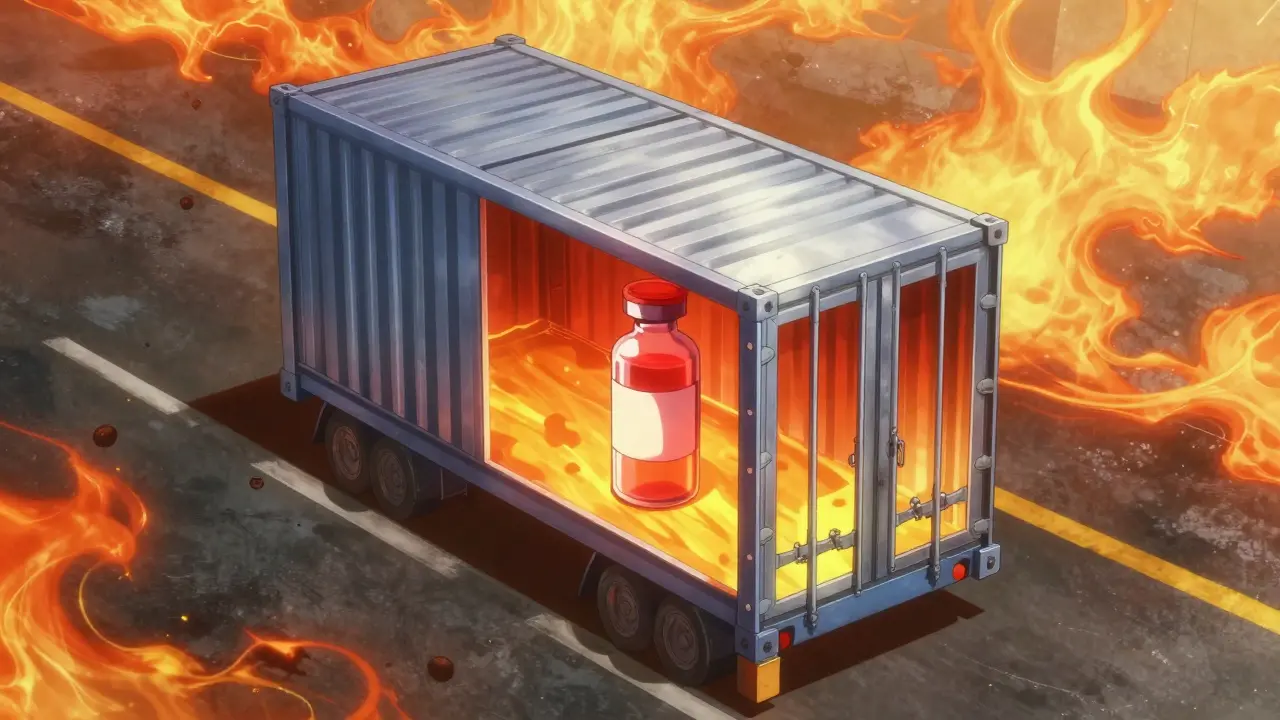
The Danger of the "Meltdown"
Medications are sensitive. Most drugs need to stay between 68 and 77 degrees Fahrenheit to remain effective. When your medicine sits in a delivery truck in the middle of a July heatwave or a January freeze, the chemistry can change. This is a massive issue for insulin, which requires strict refrigeration. There are documented cases of insulin shipments arriving melted or degraded, rendering a life-saving drug completely useless.
The scary part? Research suggests only about one-third of the time are medications actually shipped within safe temperature ranges. Since there's no federal law requiring temperature monitoring during transit, you're essentially trusting the shipping company's packaging. If your medication feels warm to the touch or looks different when it arrives, don't risk it-call the provider immediately.
Is a Generic Always a Generic?
We know that the FDA requires generics to have the same clinical benefits and risks as brand-name drugs. However, "the same" doesn't mean "identical." Different manufacturers use different fillers, dyes, and shapes. When you use a mail-order service, they might switch your generic provider based on what's cheapest for them that month.
For some, a change in pill color or size is no big deal. For others-especially seniors or those with anxiety-this "generic switching" can be confusing. If you suddenly open a bottle and the pill is blue instead of white, you might worry you've been given the wrong medicine. This confusion can lead to skipped doses or double-dosing, which creates a whole new set of safety risks.
The Missing Human Connection
When you walk into a local pharmacy, you can ask the pharmacist, "Hey, can I take this with my blood pressure meds?" This face-to-face interaction is a vital safety net. In a mail-order world, that's gone. About 68% of users have expressed concern about missing these consultations.
If you use multiple different pharmacies to save money-maybe one for your heart meds and another for your diabetes meds-no single pharmacist has your full medical history. This creates a gap where drug-drug interactions can go unnoticed. Your heart medication might clash with your new generic antidepressant, and since the two pharmacists aren't talking, you're the only one who can spot the problem.
Smart Strategies for Mail-Order Users
If you decide to go the delivery route, don't just set it and forget it. You need a game plan to avoid dangerous gaps in your treatment.
- The Two-Week Rule: Never wait until you're on your last pill to order. Set up your refills at least 14 days before you run out. Shipping delays are common, and running out of a chronic medication can be dangerous.
- Check Your Temp: For refrigerated items, check the cold packs immediately upon arrival. If they are warm, contact the pharmacy for a replacement.
- Consolidate Your Scripts: Try to keep all your medications with one provider, even if it costs a few dollars more. This ensures one pharmacist can check for dangerous interactions.
- Verify the Generic: If the pill looks, smells, or tastes different than your last batch, call the pharmacy to confirm it's the same active ingredient.
Are mail-order generics as effective as brand-name drugs?
Yes. The FDA requires generic medications to have the same active ingredients, strength, and dosage form as the brand-name version. They are designed to provide the same clinical benefit and safety profile.
What happens if my medication is damaged during shipping?
If you notice melting, discoloration, or broken pills, do not use the medication. Contact the pharmacy immediately to report the damage and request a replacement. Keep a record of the shipment date and the condition of the packaging.
Can I use mail-order for antibiotics?
It's not recommended. Mail-order is best for chronic "maintenance" medications. Acute medications like antibiotics or rescue inhalers are needed immediately to treat an infection or asthma attack; waiting a week for delivery is too risky.
Why are some mail-order drugs more expensive than retail?
Some mail-order pharmacies apply significant markups to their prices, especially for those without insurance. While insurance copays may be lower, the base price of the drug can be substantially higher than at a local retail pharmacy.
How do I prevent gaps in my medication?
The best way is to order your refills at least two weeks before your current supply runs out. This provides a buffer for shipping delays, lost packages, or pharmacy processing errors.