Pharmacy Labeling Mistakes: What You Need to Know to Stay Safe
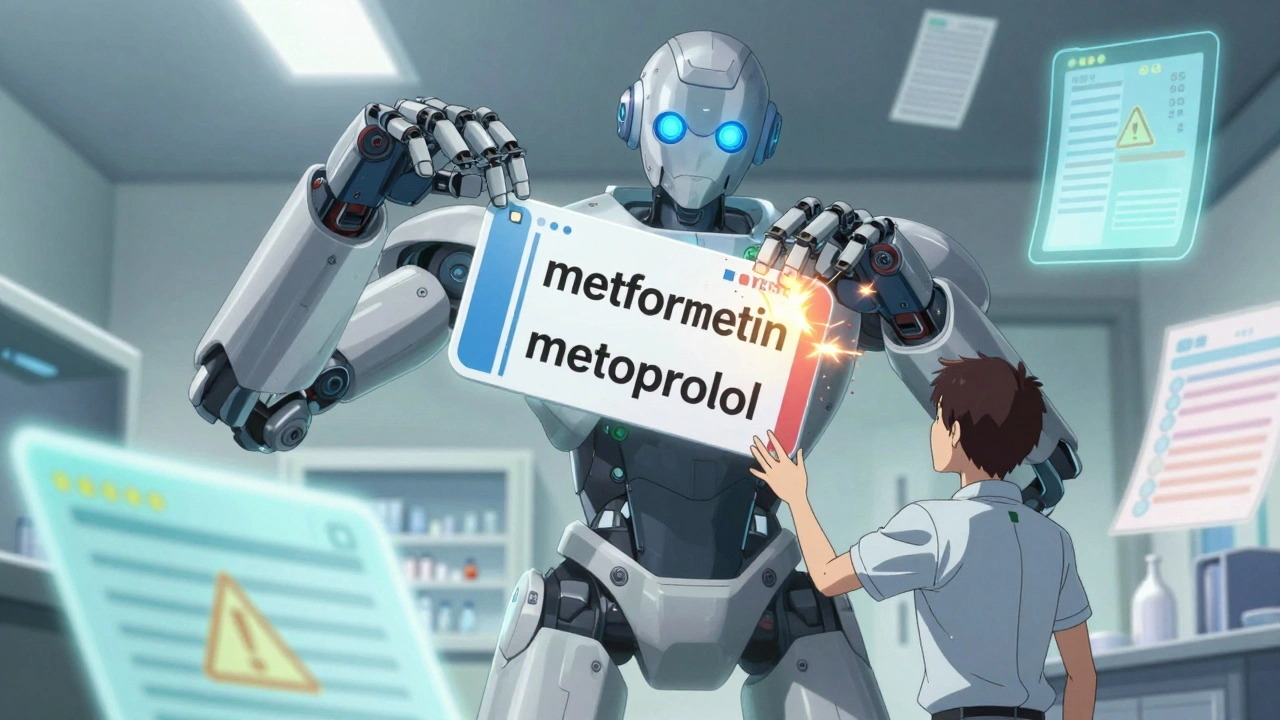
When you pick up a prescription, you expect the label to be clear, accurate, and safe. But pharmacy labeling mistakes, errors on prescription labels that lead to incorrect dosing, missed warnings, or dangerous interactions. Also known as medication label errors, these issues aren’t rare—they’re a quiet crisis in U.S. pharmacies. A misprinted dose, a missing warning about soy interfering with thyroid meds, or a child’s label that only lists age—not weight—can send someone to the ER. These aren’t hypotheticals. Thousands of kids end up in emergency rooms every year because parents gave the wrong amount of acetaminophen based on a label that didn’t clearly show weight-based dosing.
FDA generic drug labeling, the strict rule that generic labels must match brand-name labels exactly. Also known as ANDA labeling requirements, it sounds like a safety net—but it’s also a trap. If a brand-name drug gets a new warning about a rare side effect, the generic can’t update its label until the brand does. That means you might be taking a generic with outdated safety info. And when it comes to pediatric dosing errors, mistakes in giving medicine to children based on incorrect or unclear label instructions. Also known as children's medicine label confusion, it’s one of the most common causes of accidental overdose. Labels that say "for ages 2-6" without mentioning weight can be deadly. One pill meant for a 40-pound child might be safe, but the same pill for a 20-pound child could cause liver damage. The FDA knows this. So do pharmacists. But the system still lets it happen.
It’s not just about kids. People on warfarin, digoxin, or levothyroxine are at risk too. Even tiny changes in generic versions—because of how bioequivalence is tested—can throw blood levels off. And if the label doesn’t warn you to stick with the same brand, you might switch unknowingly and end up in the hospital. medication safety, the practice of ensuring drugs are used correctly to prevent harm. Also known as drug safety, it’s not just about the pill—it’s about the label that tells you how to take it. A missing warning about metronidazole causing nerve damage, or not reminding you that soy blocks thyroid absorption? That’s not an oversight. It’s a failure.
What you’ll find below isn’t just a list of articles. It’s a practical toolkit. You’ll see how to read a children’s medicine label by weight, not guess by age. You’ll learn why generic labels can be dangerously outdated. You’ll find out how to spot when a label is hiding a risk—and what to do when it happens. These aren’t theory pieces. They’re real-world fixes for real mistakes that happen every day in pharmacies across the country. Read them. Use them. Keep them close.
9
Dec
Learn how to spot common medication labeling errors-like wrong drug names or strengths-and how to ask for corrections without blame. Protect patients and prevent harm with simple, proven steps.