Drug Label Corrections: Why Accurate Medication Labels Save Lives
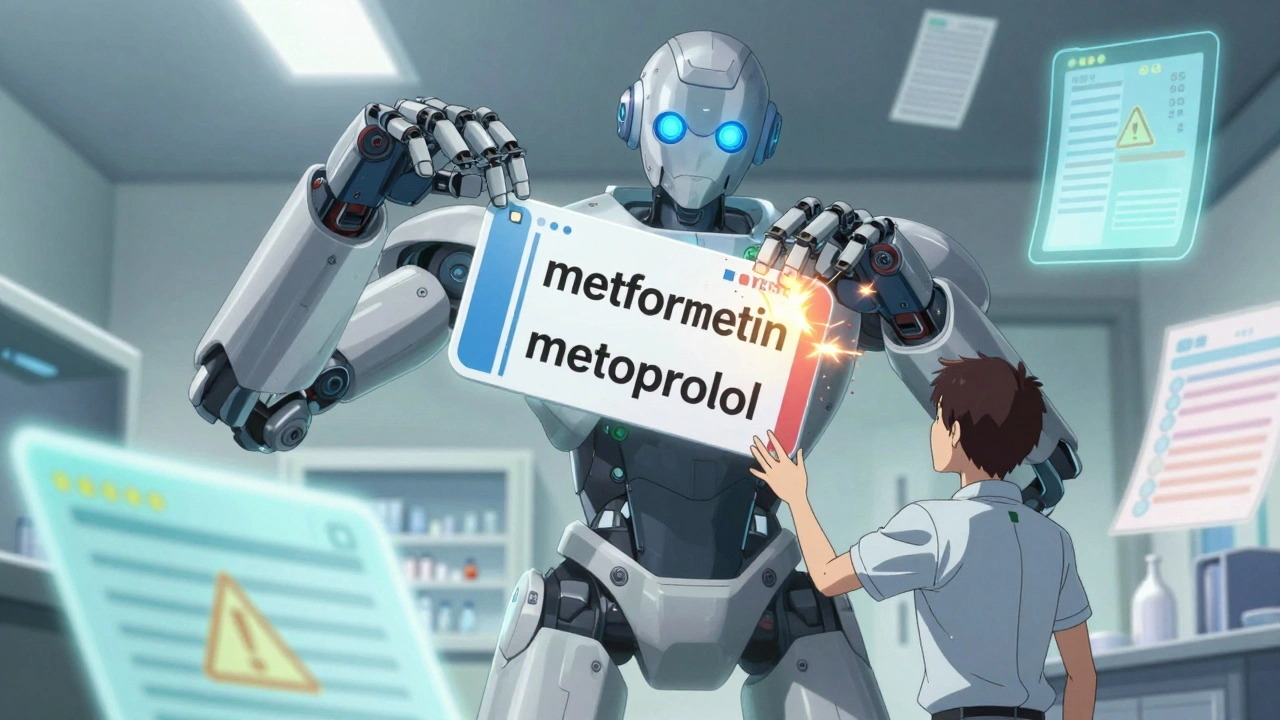
When you pick up a prescription, you trust that the drug label corrections, updates to medication labeling to fix errors, omissions, or outdated warnings that could harm patients on that bottle are accurate. But what if they’re not? A single typo in dosage instructions, a missing warning about food interactions, or a delayed update after new side effects emerge can send someone to the ER—or worse. The FDA requires generic drug labels to match the brand-name version exactly, but that rule creates a dangerous lag. When a brand-name drug gets a new black box warning, the generic version can’t update its label until the brand does, even if the generic is already being taken by millions. This isn’t just bureaucracy—it’s a silent risk in every medicine cabinet.
That’s why generic drug labels, the printed information on over-the-counter and prescription medications made by companies other than the original brand are under increasing scrutiny. A 2023 FDA report found that nearly 1 in 5 generic drug labels had outdated safety information because the brand-name manufacturer hadn’t updated its own label. Meanwhile, medication safety, the system of practices and regulations designed to prevent errors in prescribing, dispensing, and taking drugs depends on labels being clear, current, and consistent. Think about a patient on levothyroxine who eats soy for breakfast—without a label warning about absorption interference, they could end up with uncontrolled hypothyroidism. Or someone taking metronidazole who doesn’t know about the risk of nerve damage after 42 grams total. These aren’t edge cases. They’re everyday risks made worse by slow or missing label updates.
Drug label corrections aren’t just about changing text. They’re about fixing systems. The FDA now pushes for faster updates through electronic labeling systems, but progress is uneven. Some manufacturers still rely on paper-based processes. Pharmacists often spot errors first—like a child’s medicine label listing only age-based dosing when weight-based is safer—but they can’t change the label themselves. Only the manufacturer can. That’s why patients need to read labels carefully, ask questions, and report inconsistencies. The posts below dive into real-world cases where label mistakes led to harm, how the FDA is trying to fix them, and what you can do to protect yourself. From pediatric dosing to NTI drugs like digoxin, these stories show that a small typo can have life-or-death consequences. What you read on that bottle isn’t just fine print—it’s your safety net. Make sure it’s still intact.
9
Dec
Learn how to spot common medication labeling errors-like wrong drug names or strengths-and how to ask for corrections without blame. Protect patients and prevent harm with simple, proven steps.