Denied Prescription: Why Your Script Was Rejected and What to Do Next
When a denied prescription, a prescription rejected by a pharmacy or insurer for coverage, cost, or safety reasons. Also known as pharmacy rejection, it often happens because of insurance rules, generic substitution policies, or safety concerns tied to insurance coverage or FDA regulations. This isn’t a mistake—it’s a system. Millions of people face this every year, and most don’t know why or how to fix it.
A denied prescription usually comes down to three things: cost, safety, or paperwork. Insurers often block brand-name drugs when a cheaper generic exists—like when your doctor prescribes Coumadin but the plan only covers warfarin. That’s not personal; it’s how Medicaid and Medicare Part D work. But sometimes, even generics get denied. Why? Maybe the pharmacy flagged it as a narrow therapeutic index drug like digoxin or levothyroxine, where switching brands can be risky. Or maybe the drug is on an FDA Import Alert, meaning the manufacturer failed inspection and the FDA blocked its import. These aren’t random decisions—they’re based on real data, like the 80% of U.S. drug shortages tied to foreign manufacturing issues.
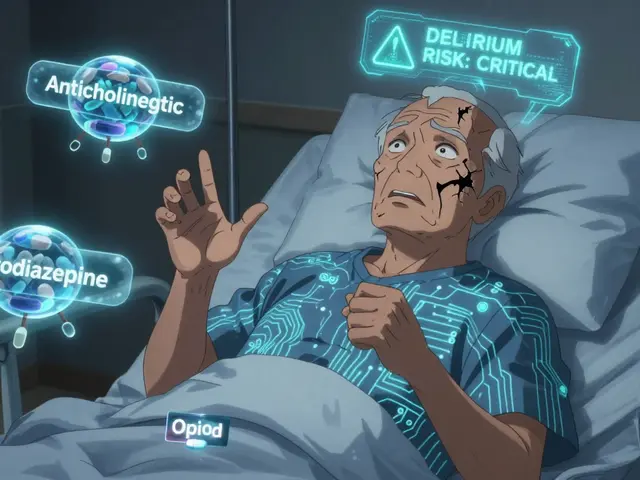
It’s not just about money. Some prescriptions get denied because of drug interactions or patient history. If you’re on sedating meds like benzodiazepines or opioids, your insurer might worry about falls or addiction. Or maybe your doctor prescribed Lquin (levofloxacin) for a simple infection, but the plan requires you to try amoxicillin first. These are called step therapy rules. They’re meant to save money, but they delay care. And if your medication comes from a non-compliant manufacturer, the FDA might have flagged it under an Import Alert—green, yellow, or red—making it impossible for pharmacies to stock it legally.
Here’s the thing: a denial isn’t the end. You can appeal. Your doctor can submit a prior authorization form. You can ask for a 30-day emergency supply. Or switch to a generic that’s approved and covered—like buying cheap generic Motrin instead of the brand. Sometimes, the solution is simpler than you think. Check if your drug is on an FDA Import Alert. See if your insurance has a tiered formulary. Ask your pharmacist if there’s an alternative with the same active ingredient that’s covered. You’re not powerless.
The posts below show real cases—why digoxin generics need extra monitoring, how Medicaid cuts costs with generics, why combo pills cost more than separate ones, and how FDA rules block unsafe imports. You’ll see how insurance decisions connect to drug safety, manufacturing, and policy. No fluff. Just what actually happens when your prescription gets turned down—and how to get it approved.