
When you stop breathing in your sleep - even for just a few seconds - your heart doesn’t get a break. It’s not just about feeling tired the next day. If you have obstructive sleep apnea (OSA), your heart is under constant strain. Every time your airway collapses, your oxygen levels drop. Your body panics. Your blood pressure spikes. Your heart races. And over time, this repeats hundreds of times a night, silently damaging your cardiovascular system.
Why Sleep Apnea Isn’t Just About Snoring
Many people think sleep apnea is just loud snoring or occasional gasping. It’s more than that. Obstructive sleep apnea means your throat muscles relax so much during sleep that your airway closes, blocking airflow. This isn’t a one-time thing. People with moderate to severe OSA can have 15 to 50+ of these episodes every hour. That’s hundreds of times a night. Each time, your body reacts like you’re being suffocated.
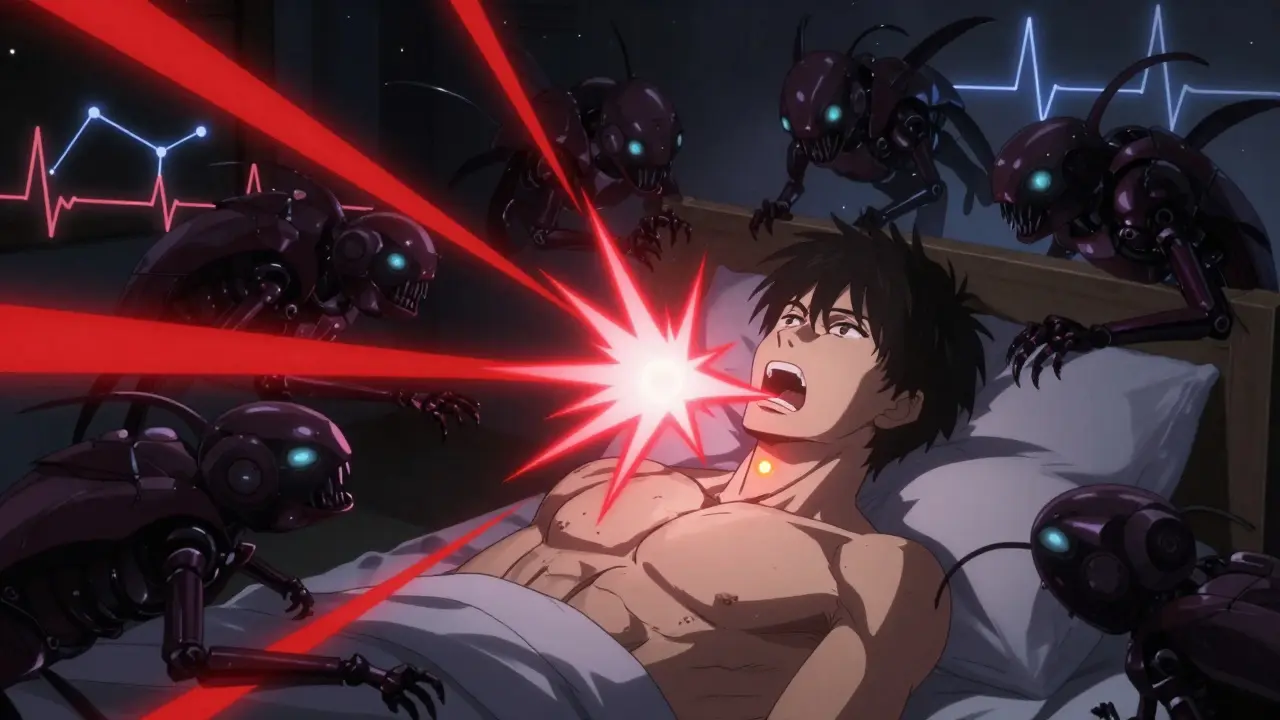
The result? Your brain wakes you up - just enough to restart breathing, but not enough for real rest. You don’t remember it. But your heart does. It’s forced to work harder, faster, and under pressure. This isn’t normal stress. It’s repeated, violent shock to your cardiovascular system.
How Sleep Apnea Drives Up Blood Pressure
Every time your airway shuts off, your oxygen drops. Your body responds by firing up your sympathetic nervous system - the same system that makes your heart pound when you’re scared. This triggers a surge in adrenaline. Blood pressure spikes by 20 to 40 mmHg during each apnea episode. That’s like running a sprint every few minutes, all night long.
Here’s the scary part: this doesn’t stop when you wake up. Studies show that people with untreated OSA often have high blood pressure even during the day. In fact, up to 40% of people with high blood pressure also have undiagnosed sleep apnea. And it’s not just because they’re overweight. Even lean people with OSA show the same pattern. The American Heart Association confirms that OSA is an independent cause of hypertension - meaning it raises blood pressure on its own, even if you’re otherwise healthy.
One study found that after just three months of consistent CPAP therapy, patients with severe OSA saw their systolic blood pressure drop by an average of 8 mmHg. That’s as effective as adding a second blood pressure medication. For someone with resistant hypertension - blood pressure that won’t budge despite three drugs - OSA might be the missing piece.
Arrhythmias: When Your Heart Loses Its Rhythm
High blood pressure is bad enough. But sleep apnea doesn’t stop there. It’s one of the strongest known triggers for arrhythmias - irregular heartbeats that can be life-threatening.
The most common one? Atrial fibrillation (AFib). That’s when the upper chambers of your heart quiver instead of beating properly. People with OSA are three to five times more likely to develop AFib than those without it. And if you already have AFib, untreated OSA makes it worse. Studies show that after ablation or other AFib treatments, patients with sleep apnea are twice as likely to have the condition come back.
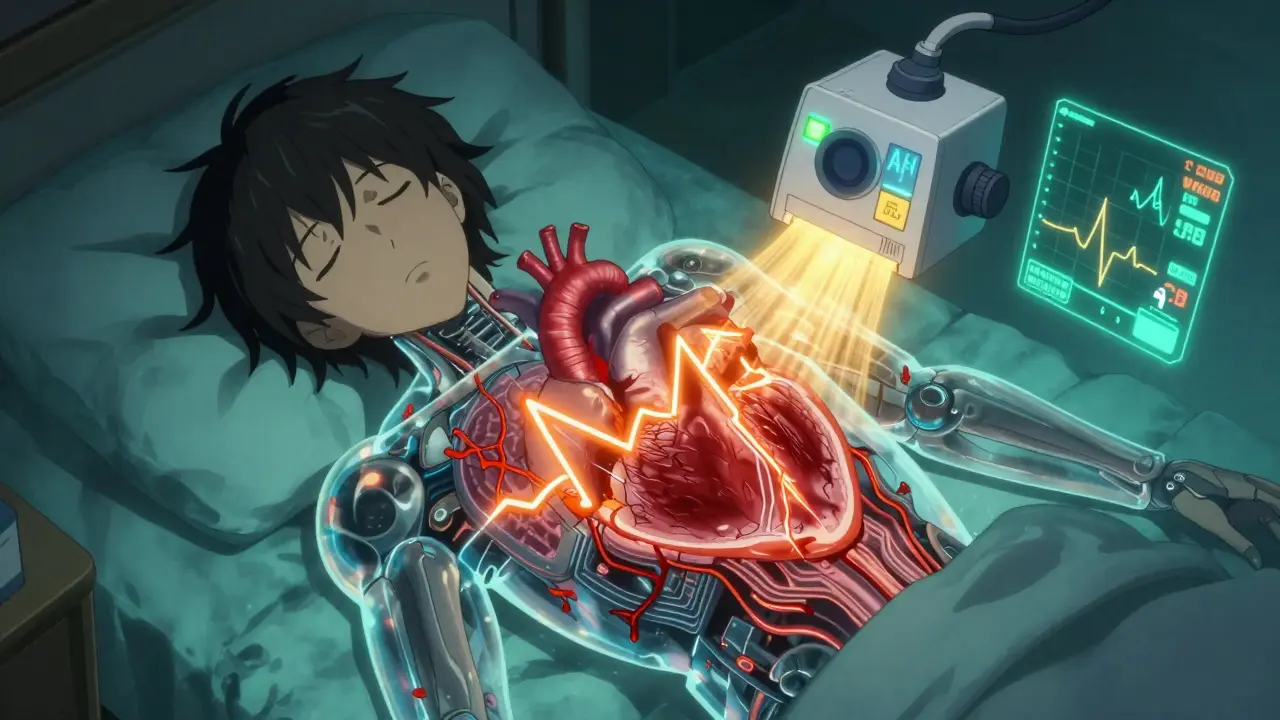
Why? Because OSA messes with your heart’s electrical system. The repeated drops in oxygen cause inflammation and scarring in the atria. A 2024 study using cardiac MRI found that OSA patients had 2.3 times more fibrosis (scar tissue) in their heart’s upper chambers than people without sleep apnea. That scar tissue acts like faulty wiring - sending mixed signals, causing skips, fluttering, or full-blown arrhythmias.
Even more alarming: OSA increases the risk of AFib by 140% - more than obesity or high cholesterol. While hypertension raises AFib risk by about 50%, untreated sleep apnea nearly doubles it.
Why OSA Is Worse Than You Think
Some people assume that if they’re young, fit, or not overweight, they’re safe. That’s a dangerous myth. New research from UT Southwestern Medical Center in 2024 found that OSA increases heart risk even in adults under 40. These patients didn’t have diabetes or obesity - yet their hearts were already showing signs of strain.
OSA also raises your risk of heart failure by 140%, stroke by 60%, and coronary artery disease by 30%. It’s not just a sleep problem. It’s a silent heart disease accelerator. And unlike genetic risks or aging, OSA is treatable.
What Works: CPAP and Beyond
The gold standard treatment? Continuous Positive Airway Pressure (CPAP). It’s a machine that delivers gentle air pressure through a mask to keep your airway open. Sounds simple. But it works. Consistent use - at least 4 hours a night - reduces blood pressure, lowers AFib episodes by 42%, and improves overall heart function.
Real people see real results. One user on the American Heart Association’s support forum said his AFib episodes dropped from weekly to once every two months after six months of CPAP. Another, diagnosed with severe OSA (AHI of 42), saw his blood pressure fall from 160/95 to 128/82 in three months.
But CPAP isn’t perfect. About 35% of users struggle with mask discomfort. Around 25-30% quit within the first year. That’s why success isn’t about the machine - it’s about finding the right fit. Try different masks. Use heated humidification. Start with a ramp setting that slowly increases pressure. Most people feel better after 30 days of consistent use.
For those who can’t tolerate CPAP, alternatives exist. Hypoglossal nerve stimulation (like Inspire Therapy) is a small implant that gently stimulates the tongue muscle to keep the airway open. In trials, it cut apnea events by 79% and improved daytime energy by 68%.
Who Should Get Screened
If you have any of these, you should be tested for sleep apnea:
- High blood pressure, especially if it’s hard to control
- Irregular heartbeat (AFib or other arrhythmias)
- History of stroke or heart failure
- Loud snoring with witnessed breathing pauses
- Excessive daytime sleepiness, even after 8 hours in bed
- Waking up with a dry mouth or headache
The American Academy of Sleep Medicine now recommends screening for all patients with hypertension, AFib, stroke, or heart failure. Why? Because 45-65% of them have undiagnosed OSA. Most don’t know it.
What You Can Do Today
You don’t need to wait for symptoms to get worse. If you’re over 40 and snore, or under 40 and feel exhausted despite sleeping enough, ask your doctor about a sleep study. Home sleep tests are now accurate and covered by most insurance - including Medicare - if you have high blood pressure or heart issues.
Don’t ignore the signs. Your heart doesn’t rest when you sleep. If your breathing stops, your heart pays the price. Treating sleep apnea isn’t about feeling more rested - it’s about protecting your heart from damage you can’t even feel yet.
The data is clear: OSA is not just a sleep disorder. It’s a major, treatable cause of heart disease. And fixing it might be the single most important thing you do for your heart - even more than cutting salt or taking pills.
Can sleep apnea cause heart failure?
Yes. Obstructive sleep apnea increases the risk of heart failure by 140%. The repeated drops in oxygen and pressure spikes force the heart to work harder, leading to thickening of the heart muscle and reduced pumping efficiency. Left untreated, this can progress to heart failure, especially in people with existing heart conditions.
Does treating sleep apnea lower blood pressure?
Yes. Consistent CPAP use lowers both nighttime and daytime blood pressure by an average of 5 to 10 mmHg. For people with resistant hypertension, this can be the difference between needing a third medication and controlling blood pressure with just two. The effect is strongest in those with severe OSA.
Is sleep apnea linked to atrial fibrillation?
Absolutely. People with OSA are 3 to 5 times more likely to develop atrial fibrillation. OSA causes inflammation and scarring in the heart’s upper chambers, disrupting electrical signals. Even after AFib treatment, untreated sleep apnea doubles the chance of recurrence. Treating OSA reduces AFib episodes by 42% within a year.
Can you have sleep apnea without snoring?
Yes. While loud snoring is common, some people - especially women and younger adults - have quiet or minimal snoring. Other signs include waking up gasping, morning headaches, dry mouth, excessive daytime fatigue, and unexplained high blood pressure. If you have these symptoms, don’t rule out sleep apnea just because you don’t snore loudly.
How do I know if I have sleep apnea?
The only way to know for sure is through a sleep study. This can be done at home with a portable monitor or in a sleep lab. Your doctor will check for breathing pauses, oxygen drops, and brain activity during sleep. If you have an apnea-hypopnea index (AHI) of 5 or more events per hour - plus symptoms like fatigue or high blood pressure - you have OSA.
Is CPAP the only treatment for sleep apnea?
No. CPAP is the most common and effective treatment, but alternatives exist. Oral appliances can help mild to moderate cases. Weight loss improves symptoms in overweight individuals. For those who can’t tolerate CPAP, hypoglossal nerve stimulation (like Inspire Therapy) is an implantable option that has shown strong results. Positional therapy and avoiding alcohol before bed also help some people.